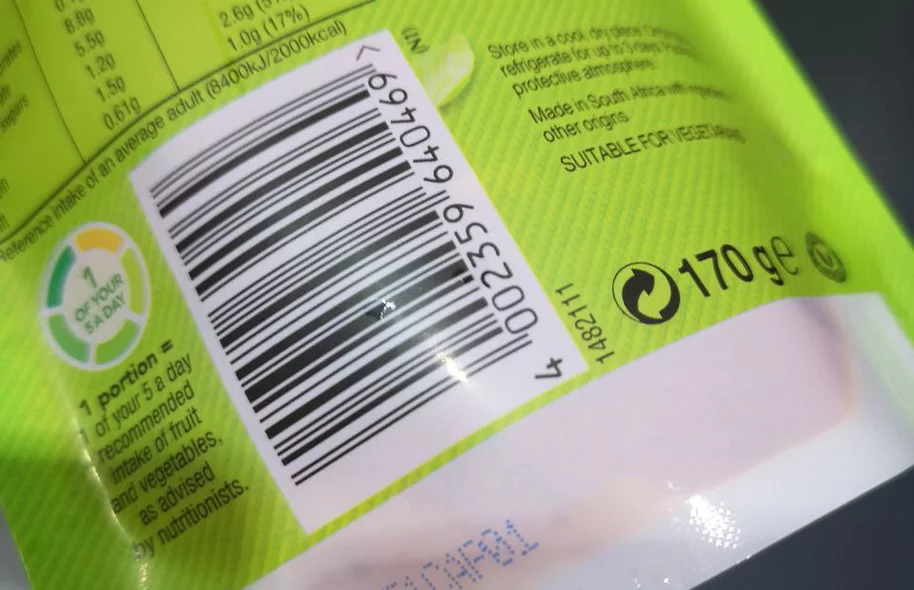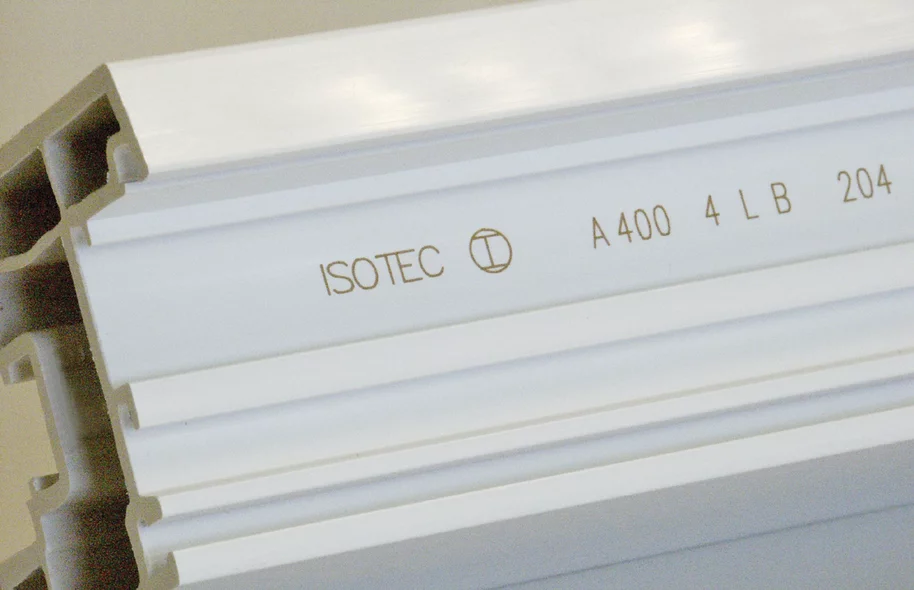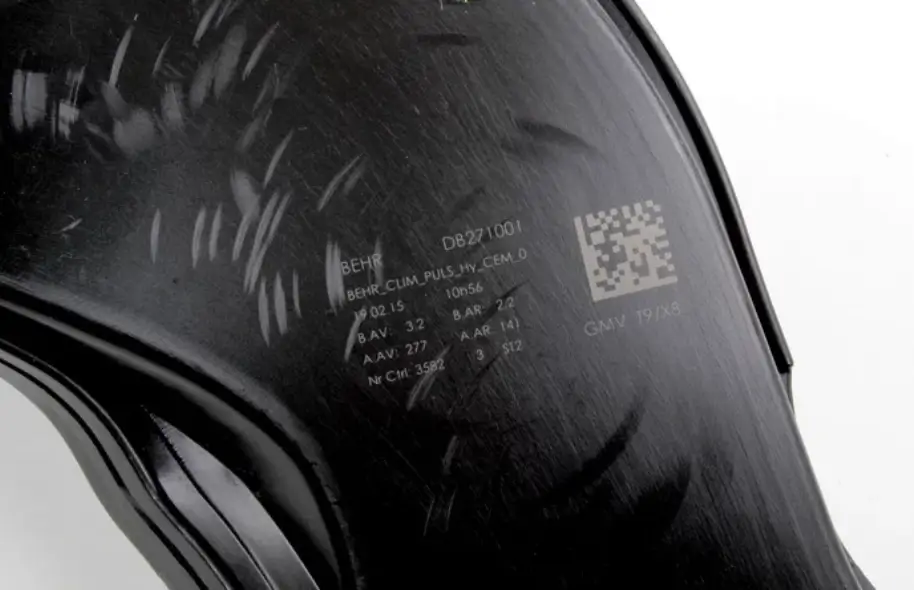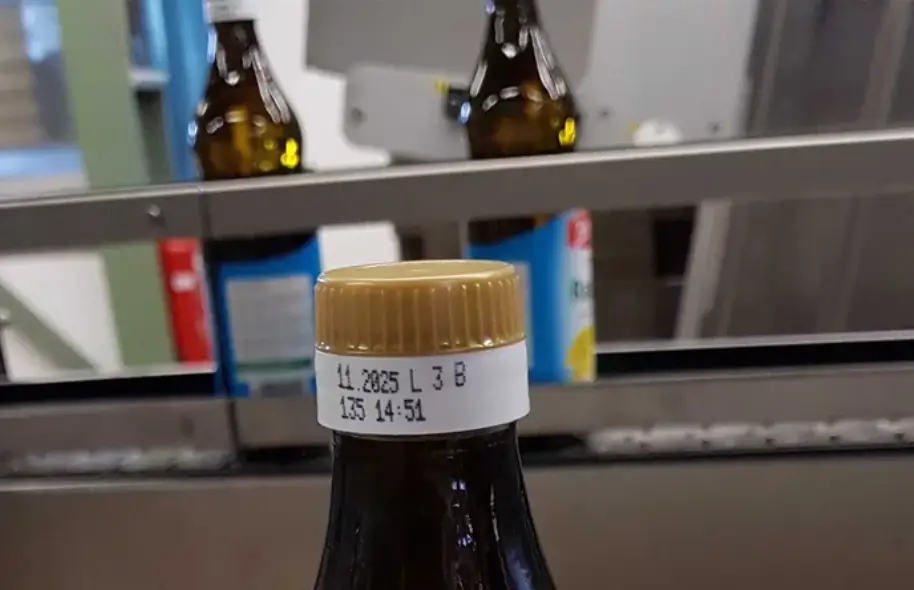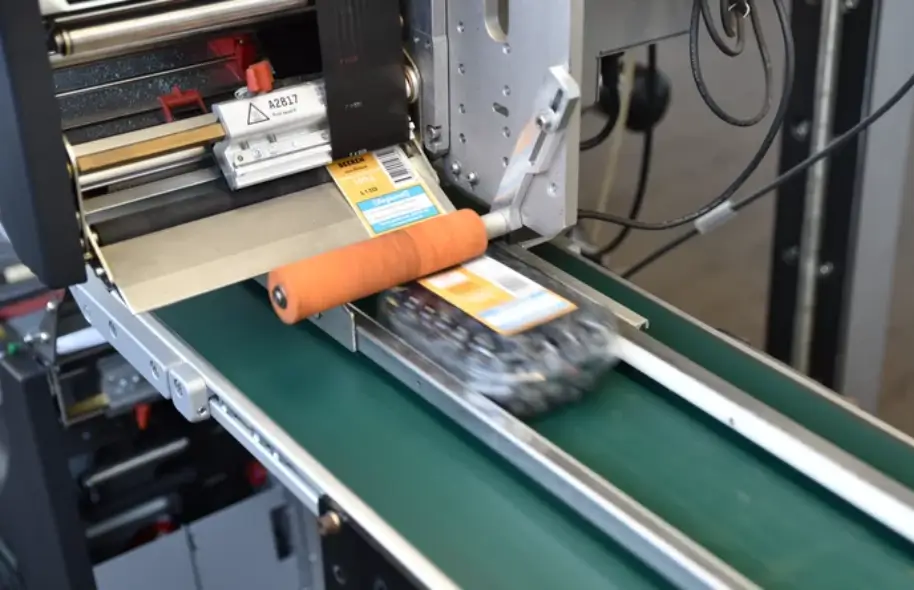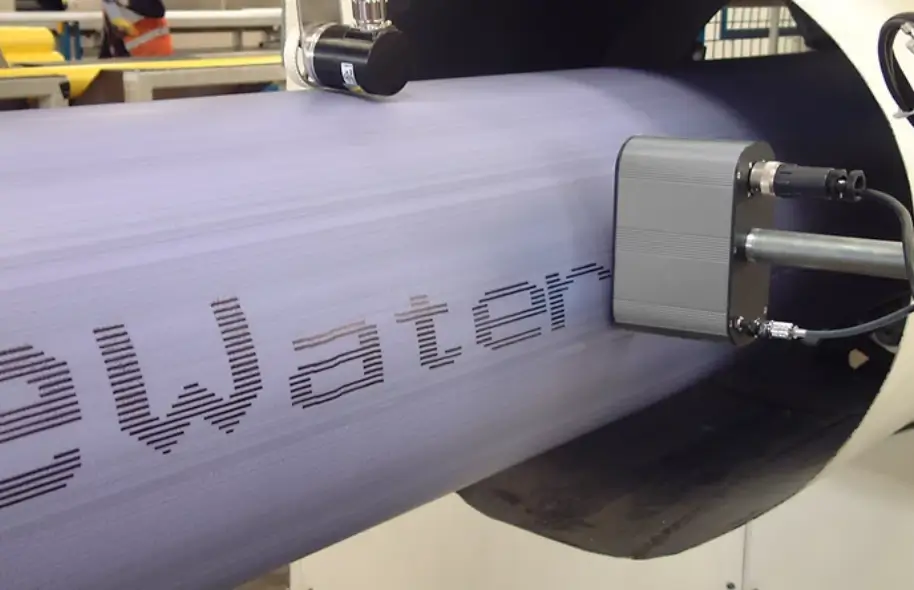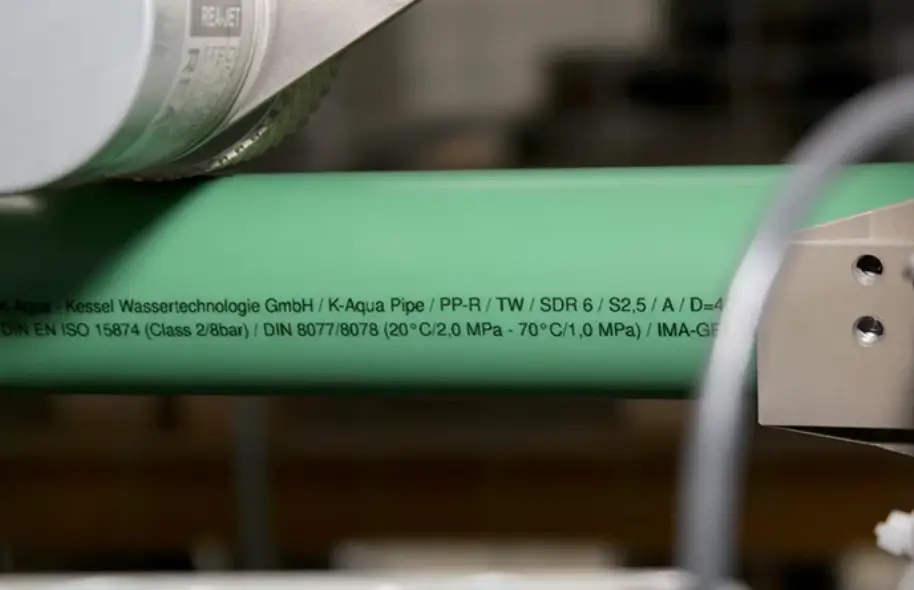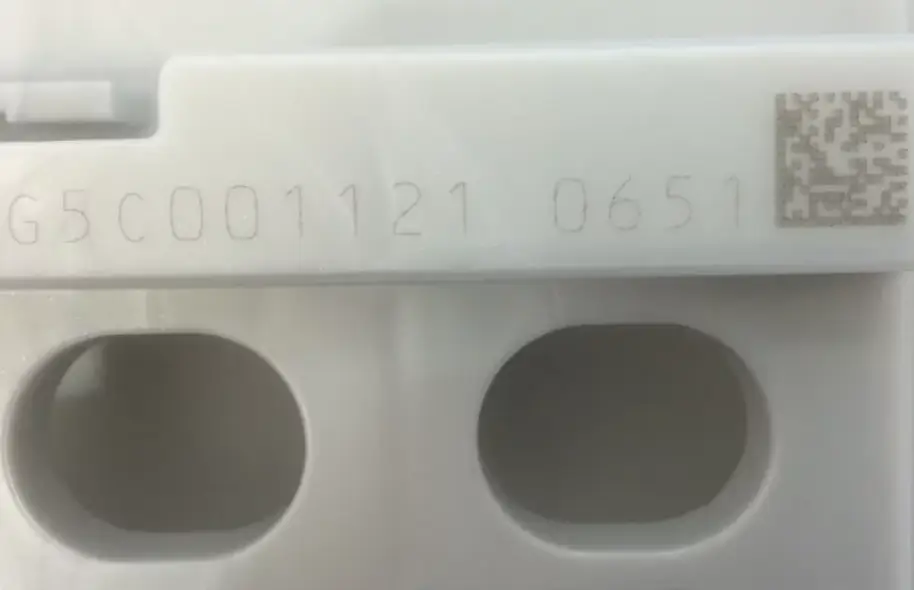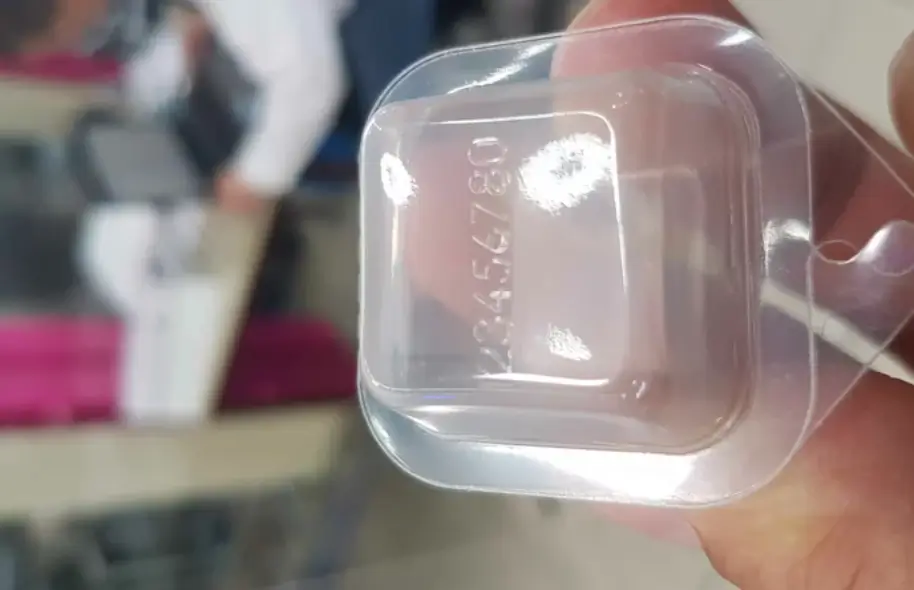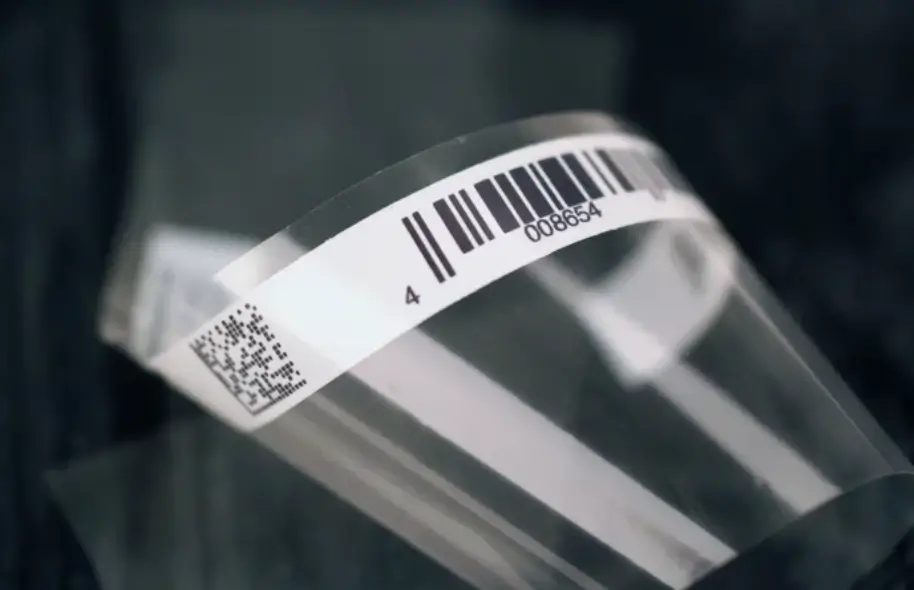




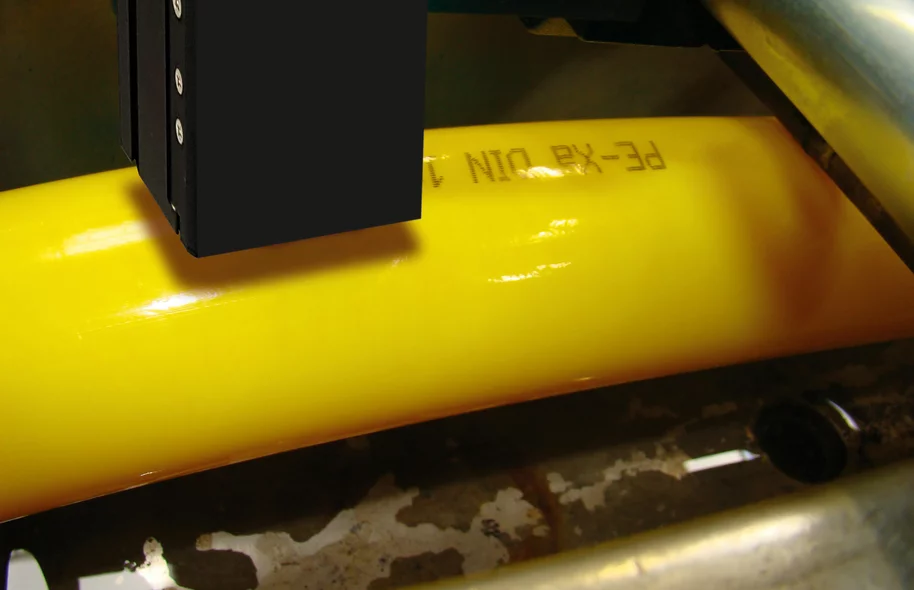
The material plastic has revolutionized many industries. One of the most important advantages of plastic for industry is its versatility. The technical properties of plastics can be modified depending on the base material, the manufacturing process and the additives used. For the marking of plastic surfaces, this means that the coding and marking technologies have to be matched to the hardness, elasticity and resistance of the plastic in question in order to achieve optimum results. Markings, codes and labels on thermoplastics, thermosets and elastomers are generally required for the traceability of plastic articles, quality assurance, consumer information and for internal and external logistics.
In addition to the properties of plastic surfaces, the selection of a coding and marking solution should also take into account whether a component has a simple or complex structure and whether the marking has to be permanent and forgery-proof or easily removable. It is also important to consider whether weather and chemical resistance is required and whether certain legal or industrial marking standards and specifications have to be met.
Challenges when marking plastic surfaces
- Large versatile range of plastic types and compounds
- Optimal coordination of plastic type and marking technology
- Marking under industrial environmental conditions
- Fast application in automated production lines
- Compliance with legal and industrial standards