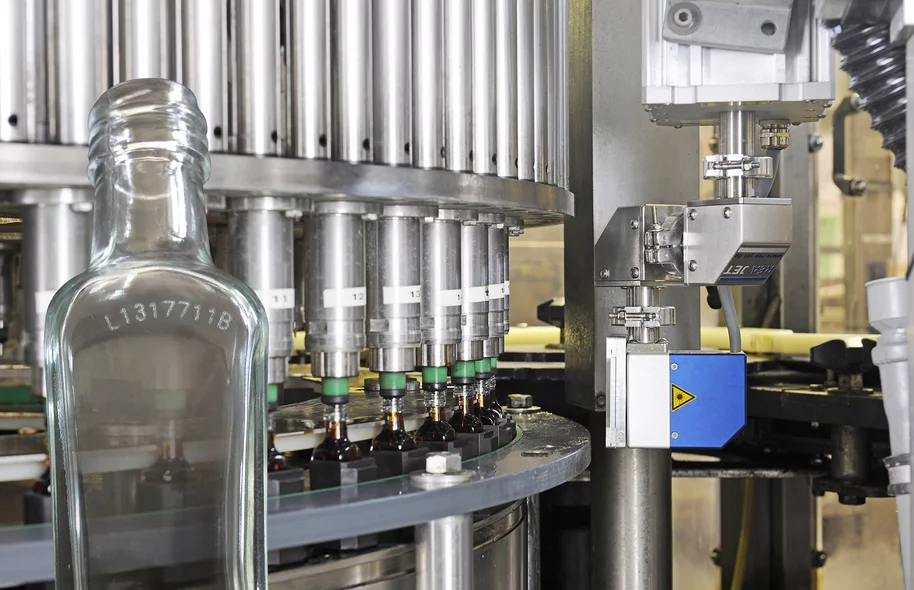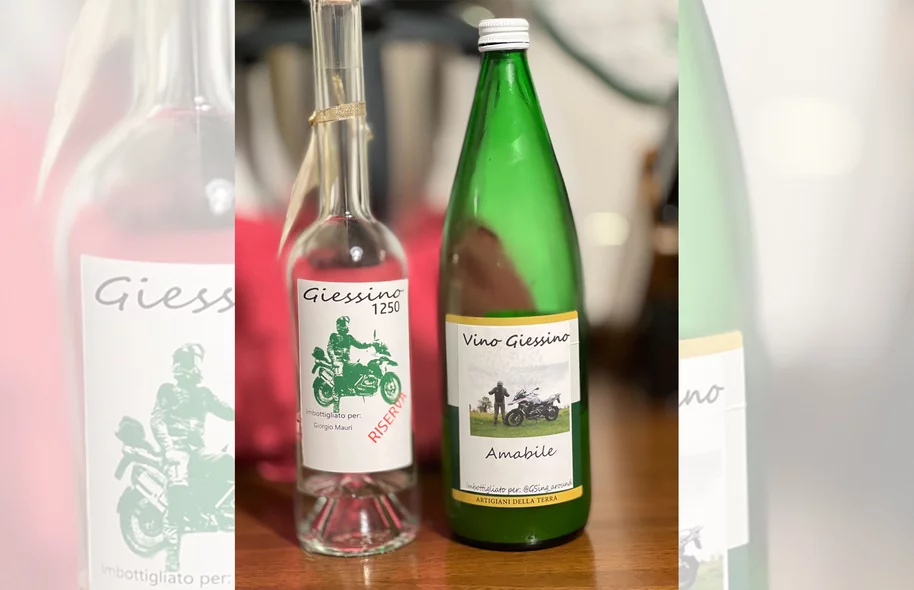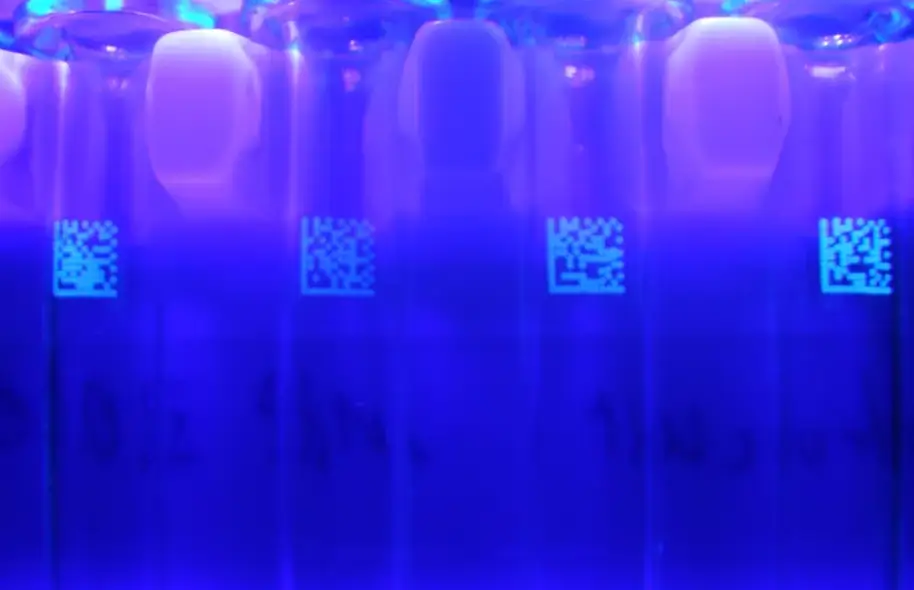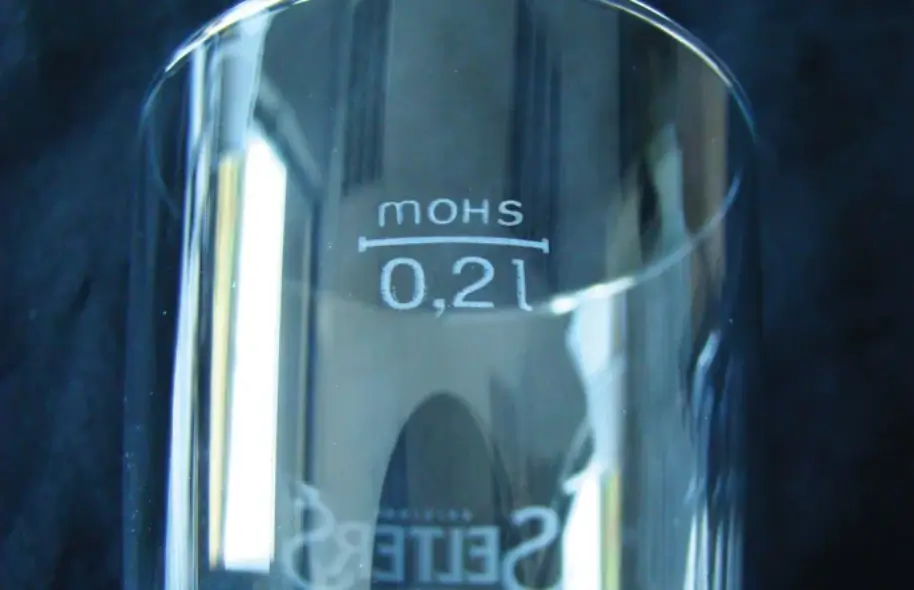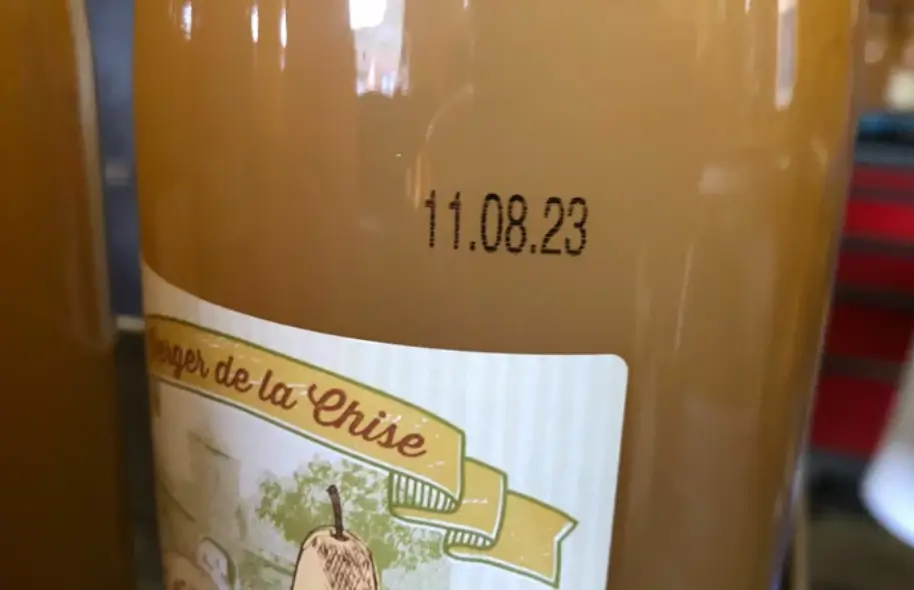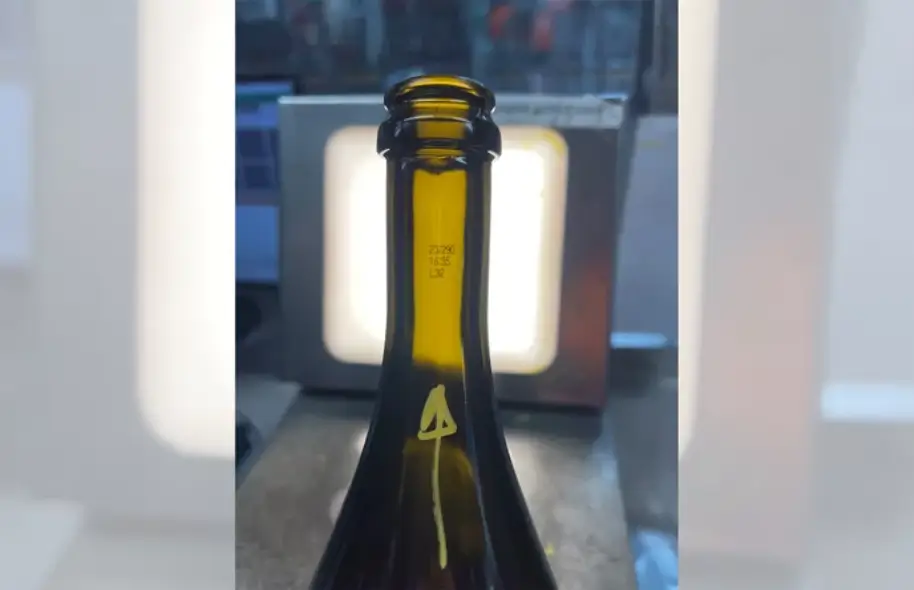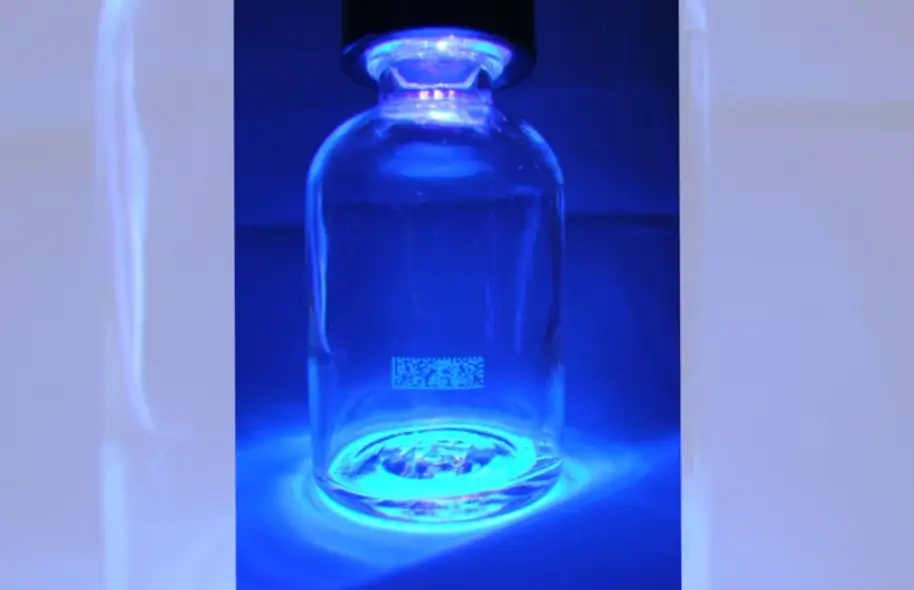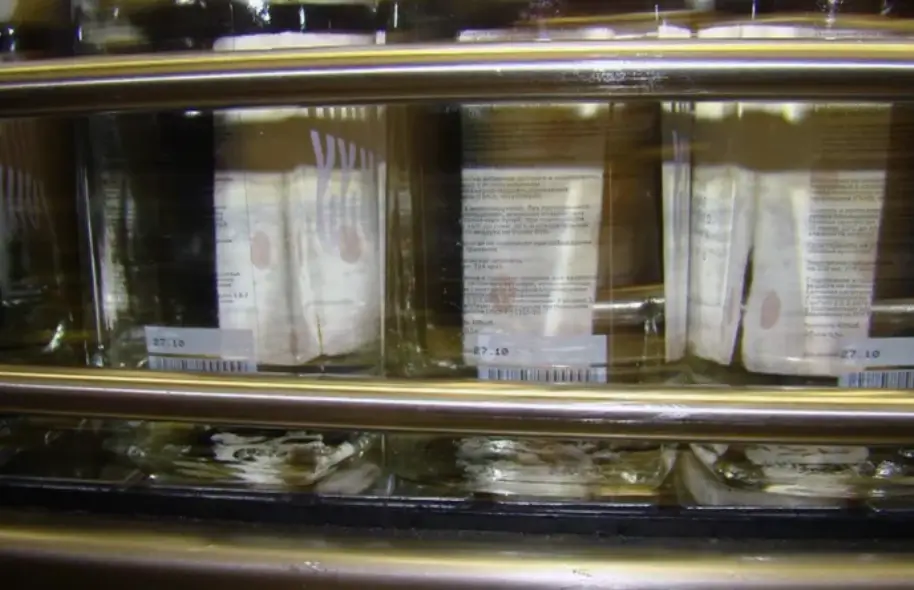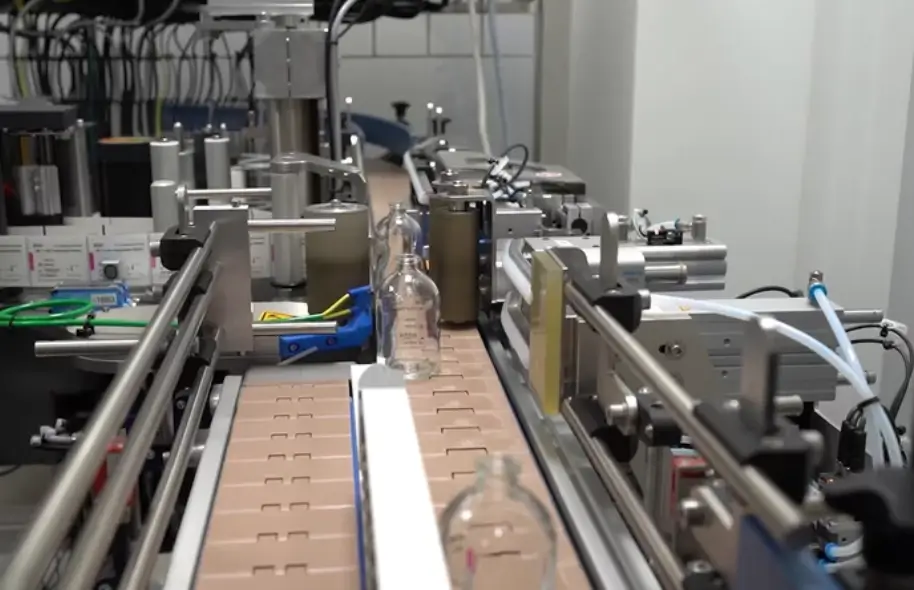

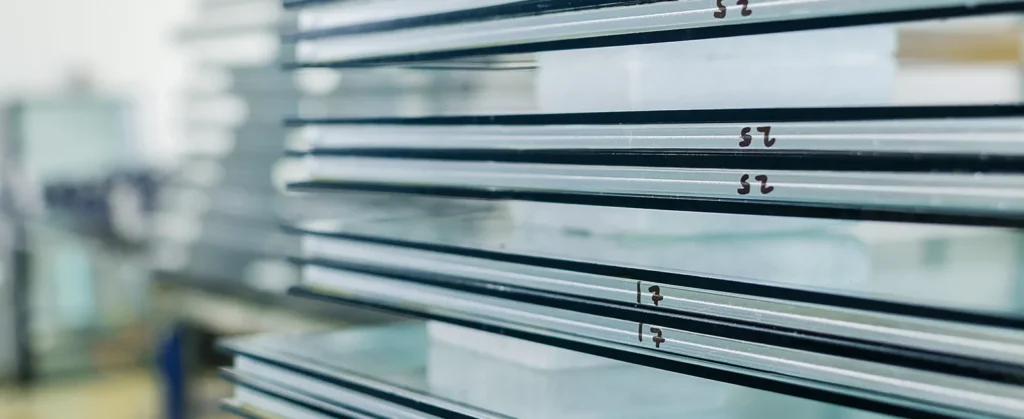



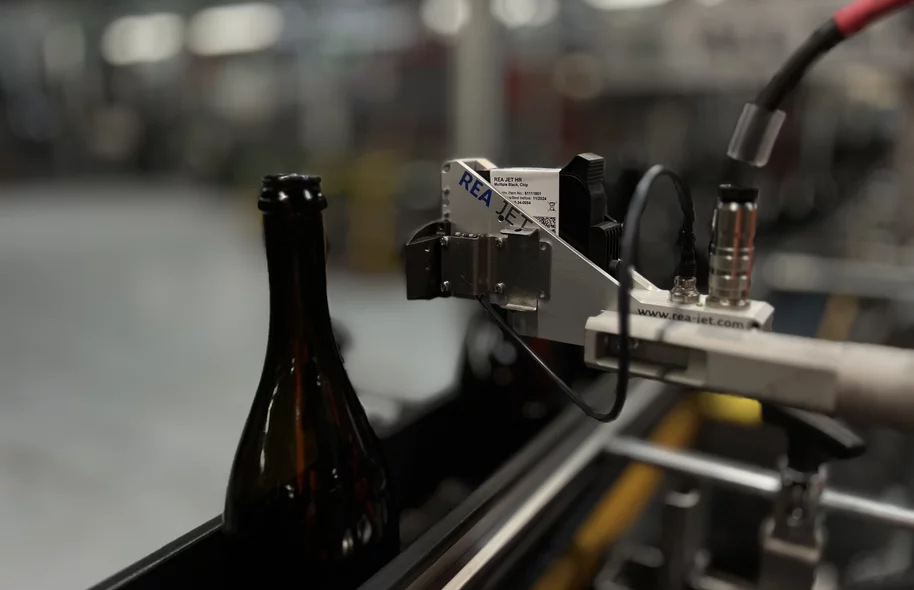
The beverage industry plays an important role in the marking of glass with its glass bottles. These glass bottles have to be printed, lasered or labeled to include ingredients, batch numbers and the best before date, for example. However, the food, cosmetics and pharmaceutical industries also fill many of their products in glass bottles, flacons and cans and then have to mark the glass containers with various specified information. Glass labeling is also an important issue in the building materials and automotive industries. For example, many glass panes have to bear the CE marking as well as batch designations and other origin information for complete traceability.
Glass surfaces are a challenge for marking technology, as the contrast required for readability is lacking, especially on transparent glass. However, various systems have proven very successful when precisely matched to the type of glass, marking size and durability requirements: direct marking using CO2 Laser or inkjet printers and especially inks. Depending on the production environment, the coding and marking systems also have to be able to cope with very high production speeds, condensation on the glass surfaces, high temperatures or dust pollution in the air.
Challenges in the marking of glass
- Marking at sometimes very high production speeds
- Resistance to moisture, heat and cold
- Coordination with different glass qualities
- Marking of non-returnable and returnable glass bottles
- Compliance with legal and industry standards for product safety and traceability