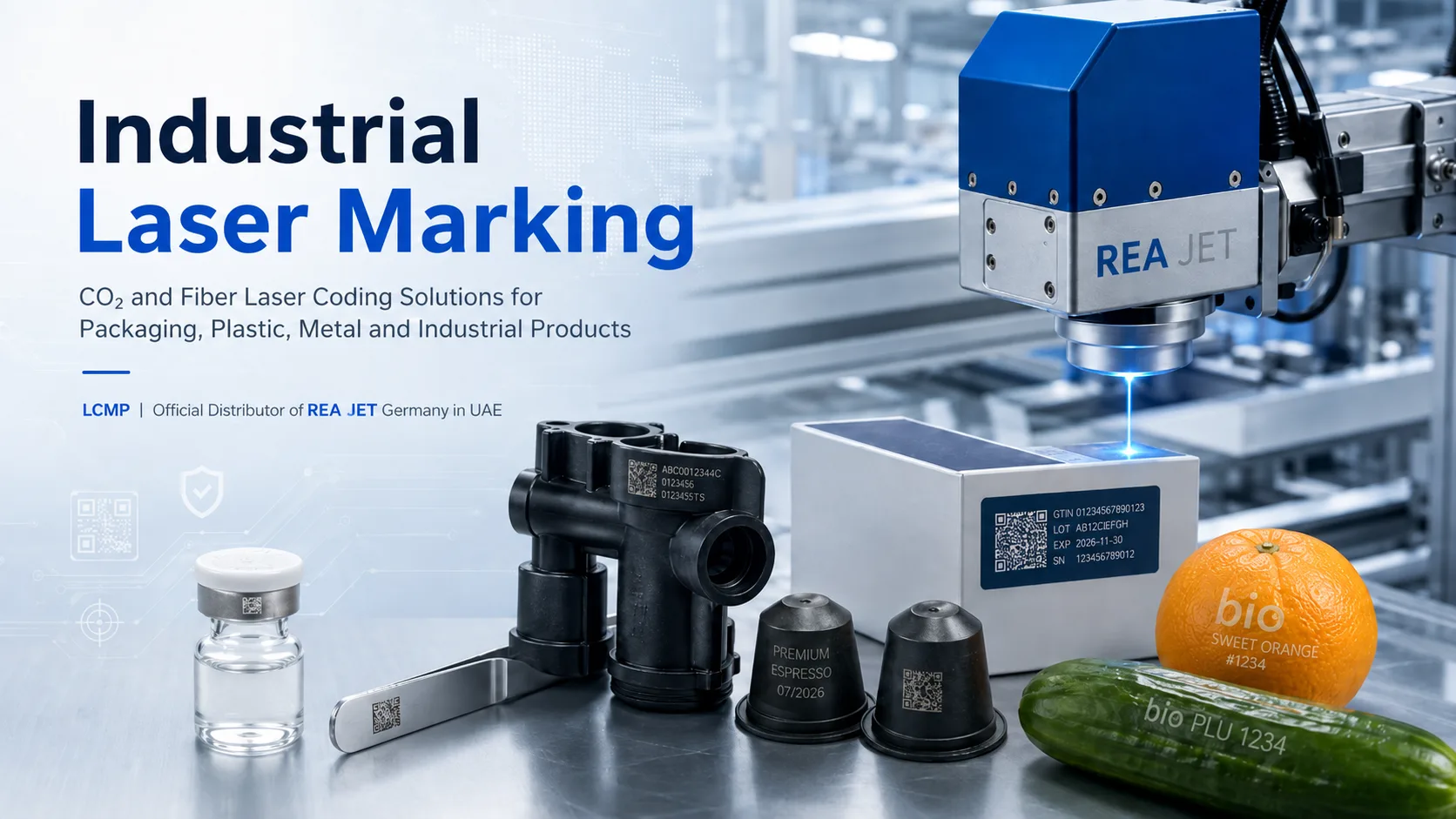
Industrial Laser Marking in UAE: CO₂ and Fiber Laser Coding Solutions for Packaging, Plastic, Metal and Industrial Products
Permanent, Precise and Reliable Marking for Modern Manufacturing
Industrial marking and coding has become an essential part of modern manufacturing. Today, manufacturers do not only need to print information on products and packaging. They need reliable identification that supports traceability, readability, automation, quality control and long-term durability.
Across the UAE and GCC, industrial companies are increasingly looking for advanced marking and coding solutions that can support high-speed production lines, demanding environments, export requirements and smart factory integration.
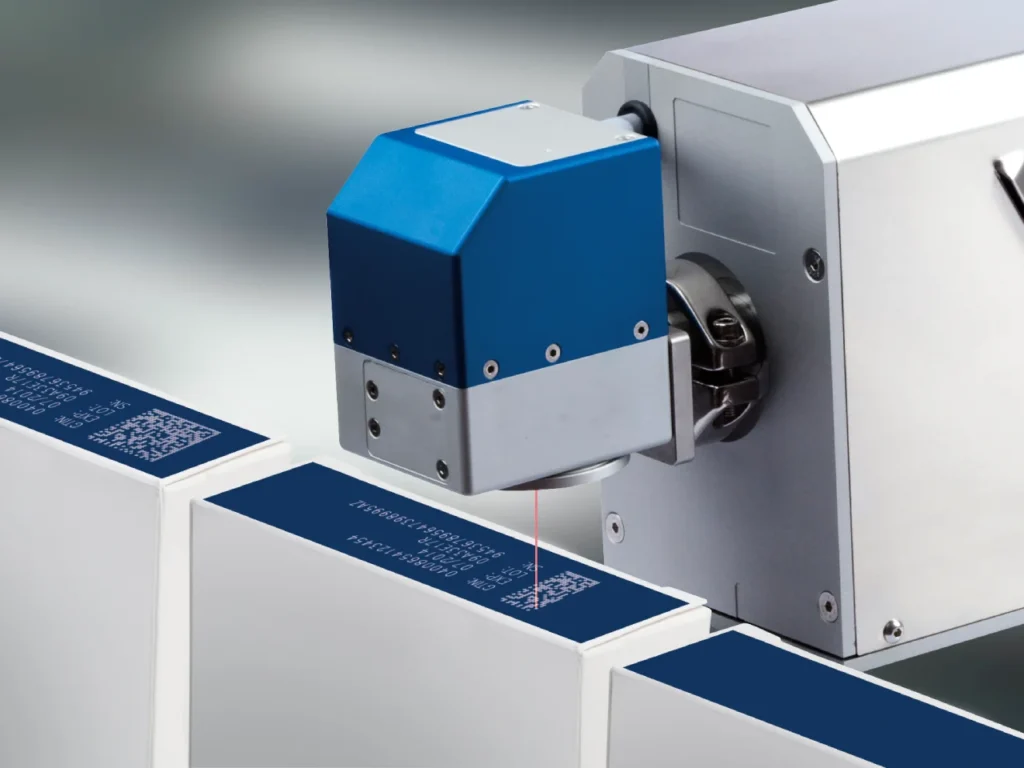
Laser marking is one of the most important technologies in this field. Unlike ink-based printing, laser coding does not require ink or cartridges. Instead, the laser interacts directly with the product surface and creates a permanent mark through a material reaction. Depending on the material, laser type, wavelength and parameter settings, the result can include engraving, removal of the top layer, color change or surface foaming.
For manufacturers in sectors such as food and beverage, packaging, plastics, metal processing, automotive, cable, rubber, electronics and industrial components, selecting the correct laser marking system is essential for achieving reliable and long-lasting results.
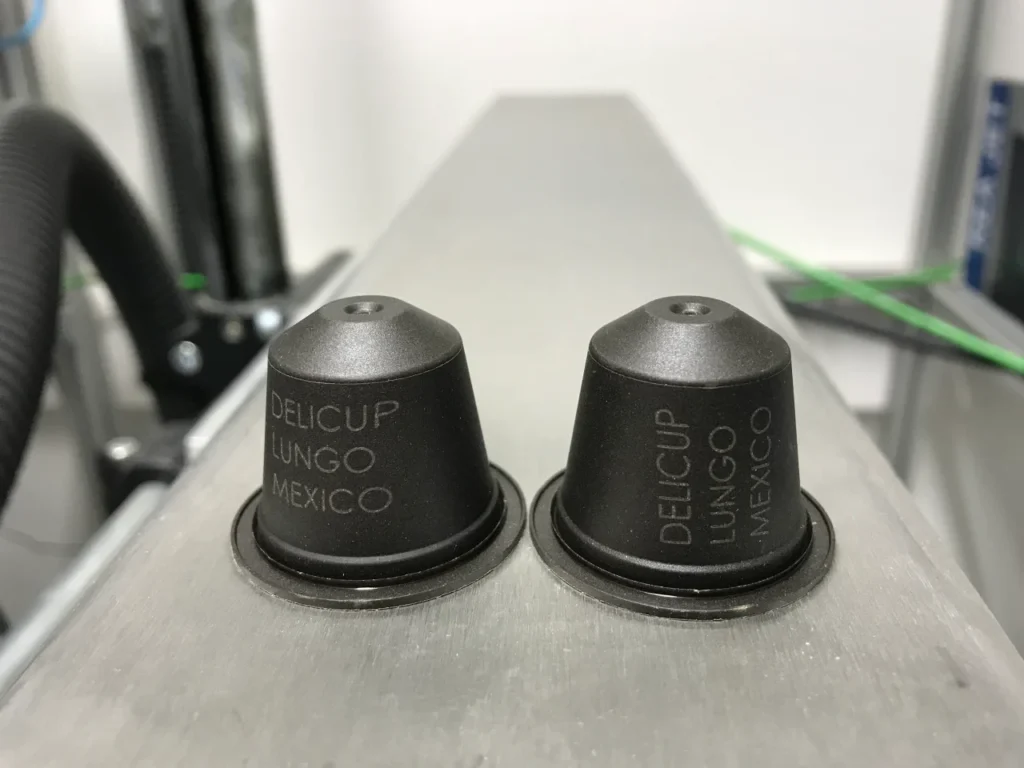
Why Laser Marking Is Important for UAE and GCC Manufacturing
The UAE and GCC industrial sectors are growing rapidly, with strong focus on automation, export production, sustainability and industrial traceability.
Manufacturers are increasingly looking for permanent coding solutions that can remain readable during storage, transport, handling, processing and final product use.
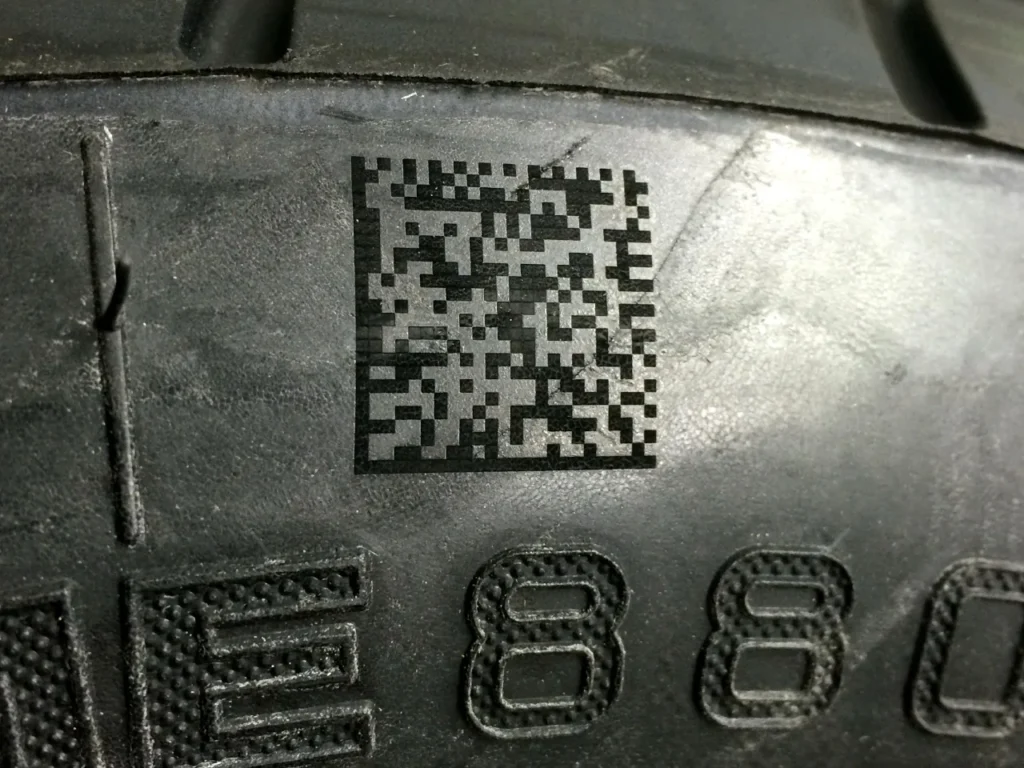
Laser marking can be used for:
* Expiry date coding
* Batch and lot marking
* QR codes
* Barcodes
* Serial numbers
* Logos
* Product identification
* Traceability codes
* Anti-counterfeit marking
* Permanent part marking
For many production environments, laser systems are attractive because they provide clean and precise marking without ink consumption. This can reduce consumable handling, improve production cleanliness and support long-term operational efficiency.
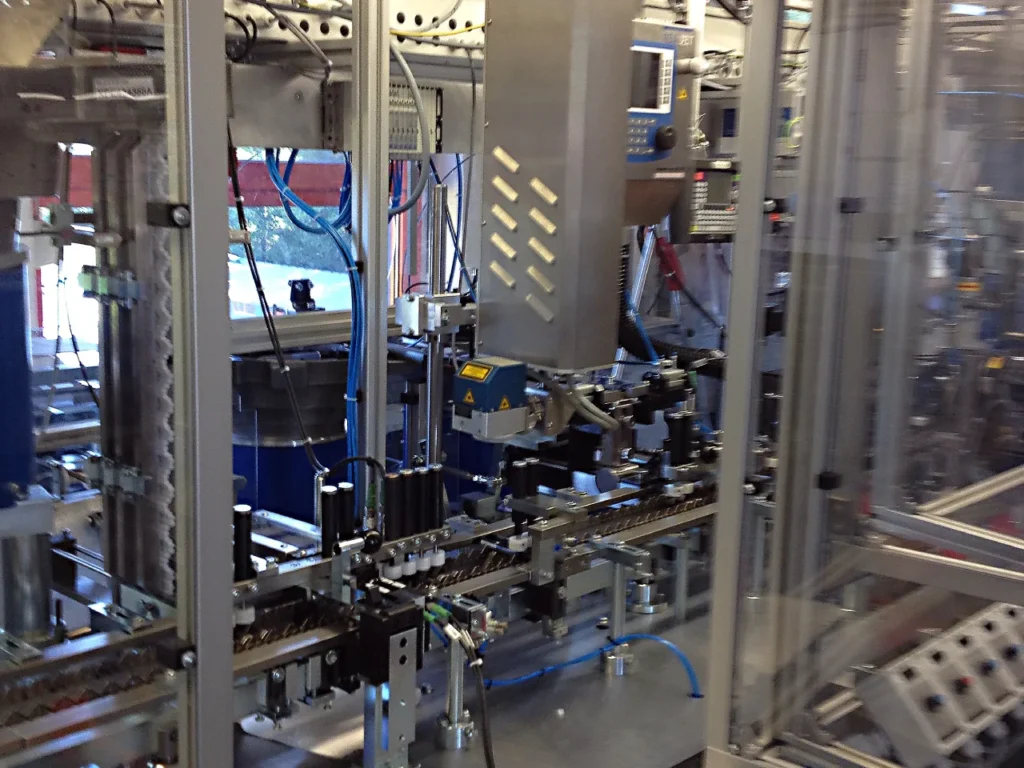
Laser Marking vs Ink-Based Marking
Both inkjet and laser technologies have an important role in industrial printing, marking and coding.
Inkjet systems are often selected when manufacturers need flexible printing on different surfaces, especially where ink contrast, color selection and material compatibility are important.
Laser systems are selected when manufacturers require permanent, clean and consumable-free marking.
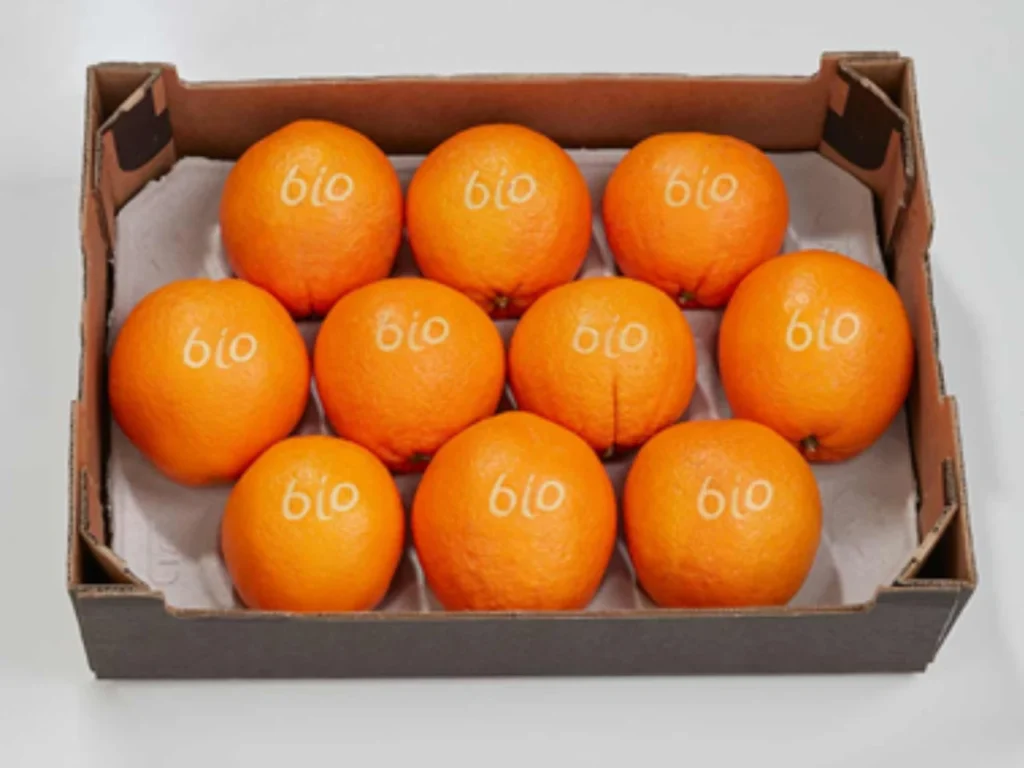
The main difference is that laser marking changes the surface of the material. This means laser technology must be selected carefully. A good laser mark is not only about readability. It must also protect the product’s quality, strength, surface function and long-term performance.
This is why testing and technical evaluation are very important before installing a laser system on a production line.
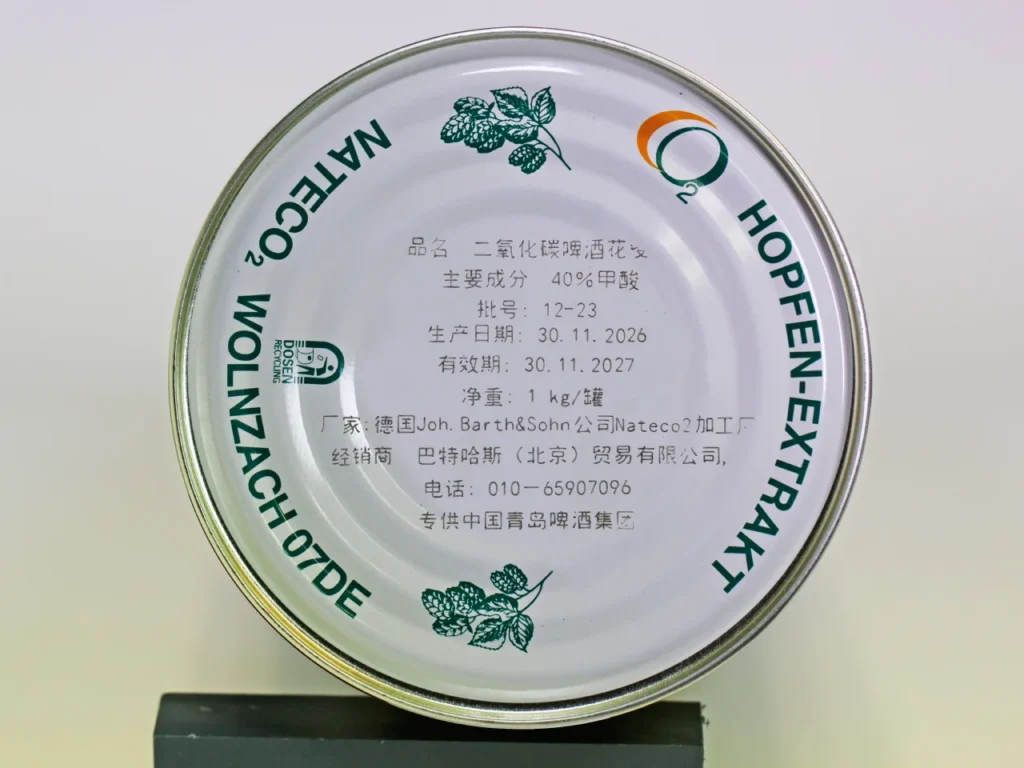
Important Questions Before Choosing a Laser Marking System
Before selecting an industrial laser coding solution, manufacturers should evaluate several technical points.
1. What material will be marked?
Different materials react differently to laser energy.
Common materials include:
* PET bottles
* Plastic packaging
* Cardboard
* Paper labels
* Coated metal
* Painted metal
* Rubber
* Glass
* Aluminum
* Steel
* Plastic films
* Cable and wire insulation
Each material may require a different laser type, wavelength, lens, scanner head or marking parameter.
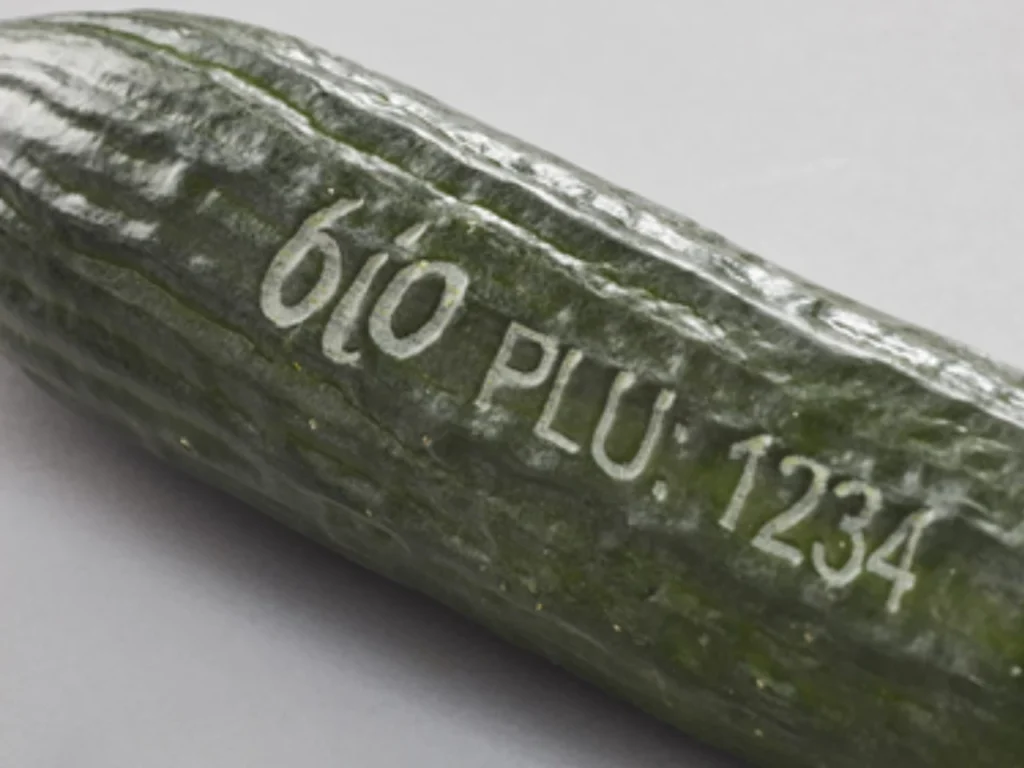
2. Should the mark be permanent or temporary?
Some applications require lifelong readability, especially for:
* Automotive parts
* Industrial components
* Rubber parts
* Metal products
* Cables and wires
* Safety-critical components
Other applications require clear marking during distribution and retail, such as:
* Packaging codes
* Expiry dates
* Batch numbers
* Beverage bottle codes
The required lifetime of the mark affects the laser selection and marking depth.
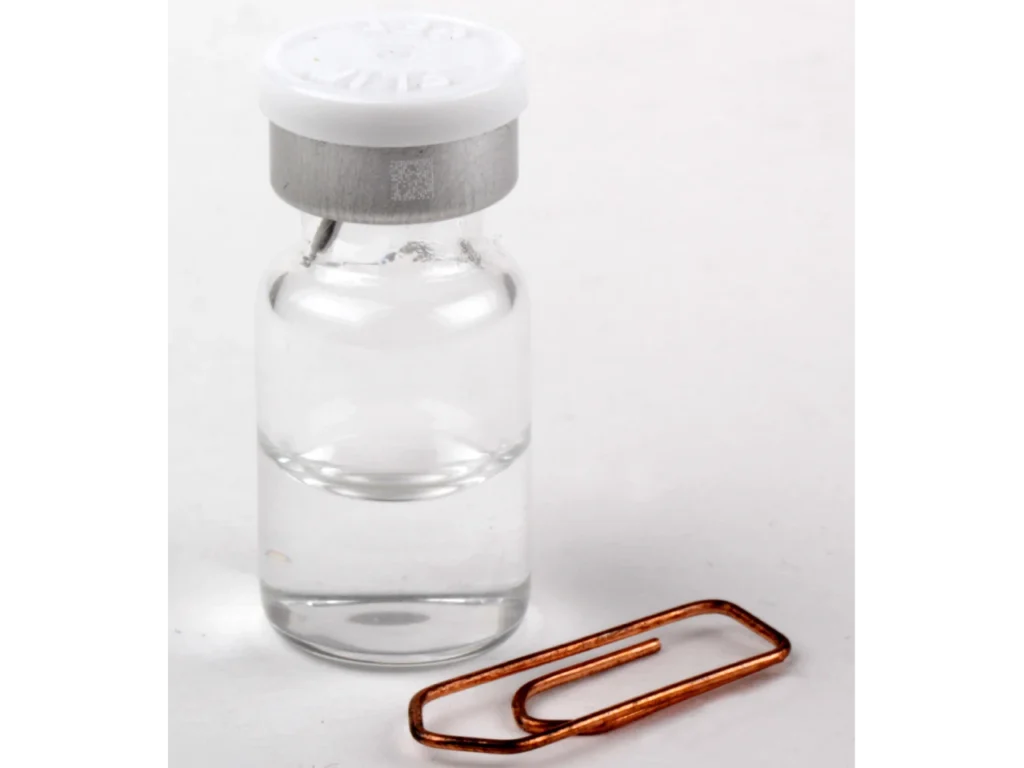
3. Will the laser affect the product surface?
Laser marking changes the surface of the material. Therefore, manufacturers must consider:
* Material weakening
* Engraving depth
* Surface bulging
* Color change
* Layer removal
* Wall thickness reduction
* Corrosion protection
* Product stability
These factors are especially important in packaging, plastics, metal processing and technical components.
CO₂ Laser Marking for Packaging and Plastic Applications
CO₂ lasers are widely used in industrial coding and marking, especially for packaging and plastic materials.
Typical CO₂ laser applications include:
* PET bottle marking
* Beverage packaging coding
* Food packaging marking
* Carton coding
* Paper and cardboard marking
* Plastic film marking
* Labels and sleeves
* Expiry date coding
* Batch number marking
CO₂ laser technology is particularly useful when manufacturers require fast, clean and permanent marking on packaging materials.
However, the correct wavelength is important. For example, when PET bottles are marked with a standard CO₂ laser at 10.6 µm, there can be a risk of material weakening or even perforation. In certain PET applications, CO₂ lasers with a 9.3 µm wavelength may be used to avoid this issue, because the material can foam instead of being deeply engraved.
This is an important point for beverage and packaging manufacturers. The correct laser configuration can improve marking quality while protecting the stability of the product.
Fiber Laser Marking for Metal and Industrial Components
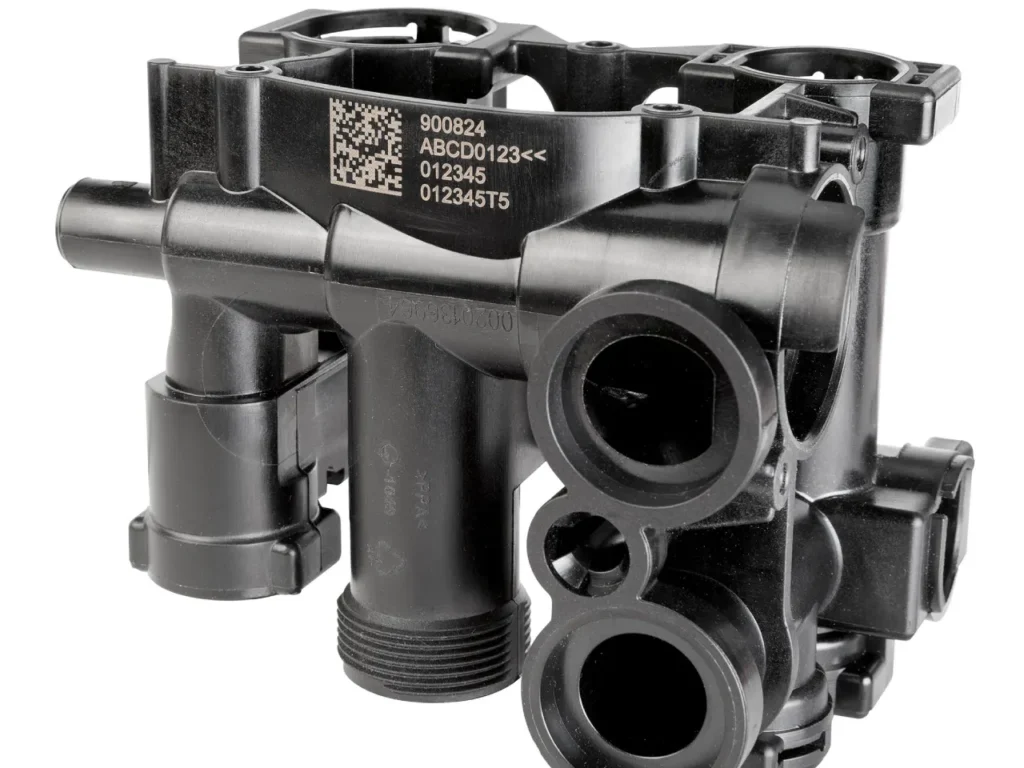
Fiber laser systems are commonly used for permanent marking on metals and hard industrial materials.
Typical fiber laser applications include:
* Stainless steel marking
* Aluminum marking
* Metal component coding
* Automotive part marking
* Tools and machinery parts
* Electrical components
* Industrial nameplates
* Cable and connector parts
* Serial number marking
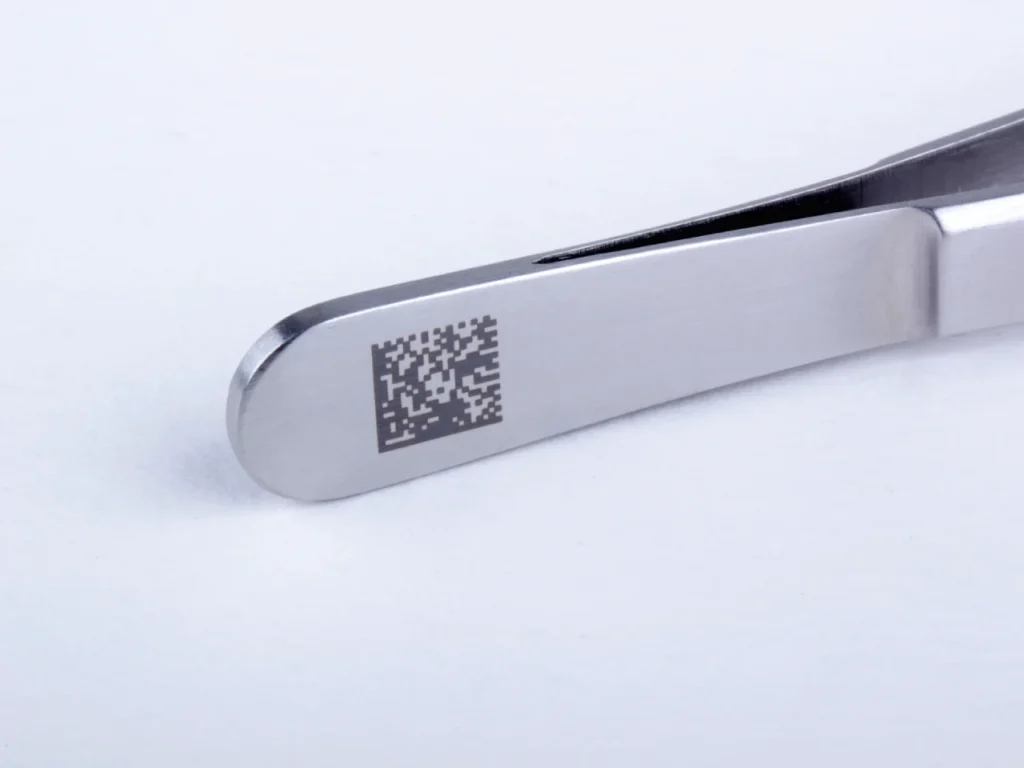
* QR code and Data Matrix marking
Fiber laser marking is suitable where manufacturers require:
* High precision
* Long-term durability
* Permanent identification
* Excellent contrast on metals
* Fast processing
* Low maintenance
* Integration into automated production lines
For UAE and GCC manufacturers in steel, aluminum, machinery, automotive and industrial component production, fiber laser marking can be a strong solution for permanent product identification.
Protecting Coated and Galvanized Metal Surfaces
In metal processing, laser marking must be controlled carefully, especially when the product has a protective coating.
For example, galvanized metal surfaces are protected against corrosion. If laser marking removes too much of the protective layer, the material may lose part of its corrosion resistance.
Laser penetration depth can be controlled and measured to ensure that the marking remains readable while protecting the function of the surface layer. In one technical example, the penetration depth was limited to 6 µm, helping ensure that corrosion protection remained intact after marking.
This is highly relevant for GCC industries such as:
* Steel processing
* Aluminum production
* Pipe manufacturing
* Automotive components
* Building materials
* Outdoor industrial products
In the Middle East, where products may face heat, humidity, outdoor storage and harsh handling conditions, protecting the material surface is extremely important.
Rubber Marking and Long-Term Readability
Some products require marking that remains readable throughout their full lifetime.
Rubber parts, for example, may be exposed to friction, abrasion, weather and mechanical wear. In such applications, shallow marking may disappear over time.
For this reason, rubber marking may require a minimum engraving depth to ensure readability over the lifespan of the product. One example shows QR code marking on rubber with an engraving depth of 250 µm, supporting long-term readability even after heavy abrasion.
This is useful for applications such as:
* Rubber components
* Automotive parts
* Tires and technical rubber
* Industrial seals
* Conveyor belts
* Molded rubber products
* QR code traceability
For manufacturers who need permanent traceability, selecting the correct laser depth and parameters is essential.
Laser Marking for Plastic Films and Flexible Materials
Laser systems can also be used for plastic films and flexible materials, not only for marking but also for perforation or cutting applications.
However, plastic films can be sensitive to heat and deformation. If the laser process creates too much material accumulation at the edges, it can cause bulging. This may affect rolling, packaging or further processing.
For plastic film and flexible packaging applications, manufacturers should carefully evaluate:
* Material thickness
* Heat sensitivity
* Marking speed
* Edge quality
* Bulging behavior
* Rolling behavior
* Final product performance
This is relevant for:
* Film manufacturers
* Flexible packaging producers
* Plastic converters
* Packaging roll suppliers
* Food packaging manufacturers
* Industrial film producers
For these applications, laser settings must be tested carefully before implementation.
Why Material Testing Is Important Before Laser Installation
Laser marking is not a one-size-fits-all technology.
The final result depends on:
* Material type
* Product thickness
* Surface coating
* Required contrast
* Required durability
* Production speed
* Laser type
* Wavelength
* Focusing lens
* Scanner head
* Marking parameters
Advanced analysis technology can be used to evaluate laser marking effects on surface structures, depth profiles and marking areas with micrometer-level accuracy. This helps ensure that the selected laser system provides readable marking without damaging the product or reducing material performance.
For industrial manufacturers, this technical evaluation is important because it reduces the risk of selecting the wrong system and helps ensure long-term production reliability.
Key Benefits of Industrial Laser Marking
Industrial laser marking provides several important advantages for manufacturers.
Permanent Marking
Laser marks can remain readable for long periods, even under handling, storage and industrial use.
Consumable-Free Operation
Laser systems do not require inks or cartridges, reducing consumable handling and storage.
High Precision
Laser systems can produce fine text, QR codes, Data Matrix codes, serial numbers and logos with high accuracy.
Clean Production
Because there is no ink involved, laser marking can support cleaner production environments.
High-Speed Compatibility
Laser systems can be integrated into high-speed production lines for packaging, beverage, plastics and industrial products.
Traceability Support
Laser coding supports product identification, batch tracking, serialization and automated scanning.
Industrial Applications in UAE and GCC
Laser marking technologies are suitable for many industries across the region.
– Food and Beverage Industry
Laser coding can be used for PET bottles, cartons, labels, beverage packaging, expiry dates and batch codes.
– Packing and Packaging Industry
Packaging manufacturers can use laser systems for cartons, films, sleeves, labels and flexible materials.
– Pharma Industry
Pharmaceutical manufacturers require high-quality codes, batch information, serialization and traceability.
– Plastic Industry
Plastic products, films, containers and molded parts can be marked or processed using laser technology.
– Metal and Steel Industry
Fiber lasers are suitable for marking metal parts, galvanized surfaces, aluminum, steel, nameplates and industrial components.
– Automotive Industry
Permanent QR codes, serial numbers and part identification are essential for traceability.
– Rubber Industry
Laser engraving can support long-term readable marking for rubber parts exposed to abrasion.
– Cable and Wire Industry
Laser systems can support permanent identification where suitable for the insulation material and application requirements.
Choosing Between REA JET Laser CO₂ and REA JET Fiber Laser
Choosing the correct laser depends mainly on the material and application.
REA JET Laser CO₂
REA JET Laser CO₂ solutions are suitable for many organic and packaging materials such as:
* PET bottles
* Cardboard
* Paper
* Labels
* Plastic packaging
* Food packaging
* Beverage packaging
* Flexible films
REA JET Fiber Laser
REA JET Fiber Laser solutions are suitable for many hard and industrial materials such as:
* Metals
* Aluminum
* Steel
* Stainless steel
* Automotive components
* Industrial parts
* Tools
* Metal nameplates
* Technical components
The correct choice should be based on product testing, required code quality, production speed, marking durability and material behavior.
Laser Marking and Sustainability
Laser marking can support sustainability goals because it reduces or eliminates the need for inks, solvents and cartridges in suitable applications.
This can help manufacturers reduce:
* Consumable usage
* Ink storage
* Cartridge waste
* Solvent handling
* Maintenance related to ink systems
For UAE and GCC manufacturers working toward cleaner production and more efficient operations, laser marking can be an important part of long-term industrial improvement.
How LCMP Supports Laser Marking Projects in UAE
LCMP Printing Machinery Trading L.L.C is the official Distributor of REA JET Germany in UAE and supports industrial customers across the Middle East with advanced marking and coding technologies.
LCMP supports customers with:
* Industrial laser marking consultation
* REA JET Laser CO₂ solutions
* REA JET Fiber Laser solutions
* Material and application evaluation
* Production line integration support
* Marking and coding system selection
* Technical service and after-sales support
* Industrial traceability solutions
LCMP also supports a full range of industrial coding technologies, including:
* REA JET HR 2.0
* REA JET DOD 2.0
* REA JET SC 2.0 continuous inkjet
* REA JET UP
* REA JET Laser CO₂
* REA JET Fiber Laser
* Inks and REA JET cartridges
* BlackEagle ink solutions
This allows manufacturers to select the most suitable solution, whether the application requires inkjet printing, laser marking, large character coding, continuous inkjet or high-resolution printing.
Links reference
Conclusion
Laser marking is becoming an increasingly important technology for industrial manufacturers that require permanent, precise and reliable product identification.
For packaging, plastic, metal, rubber, beverage, pharma, food and industrial component applications, laser coding can support traceability, readability, production efficiency and clean manufacturing.
However, successful laser marking depends on selecting the right laser type, wavelength, lens, scanner head and marking parameters. It is also important to understand how the laser affects the product surface, especially in applications involving PET bottles, coated metals, rubber, plastic films and technical components.
For manufacturers in the UAE and GCC, REA JET Laser CO₂ and REA JET Fiber Laser technologies offer advanced industrial marking solutions supported locally by LCMP Printing Machinery Trading L.L.C, the official Distributor of REA JET Germany in UAE.