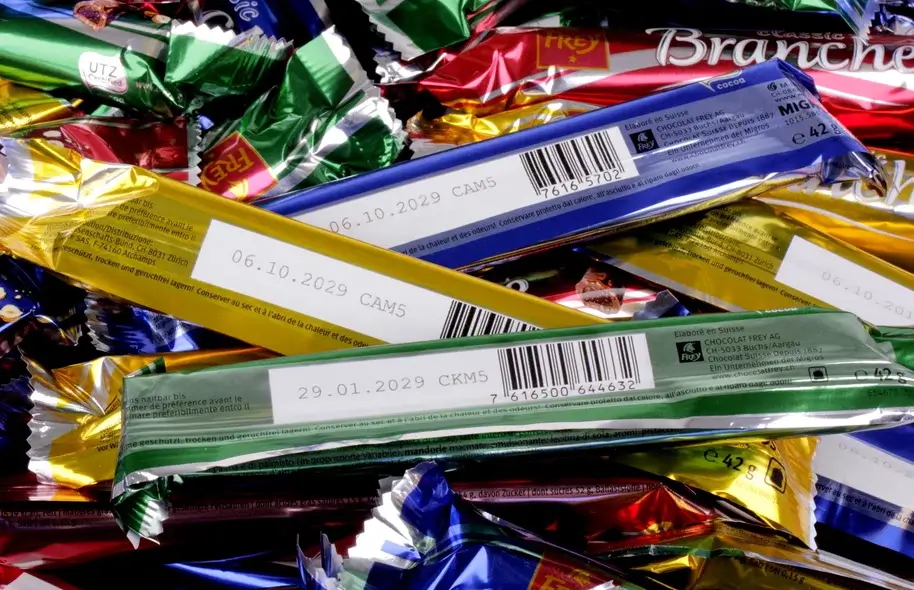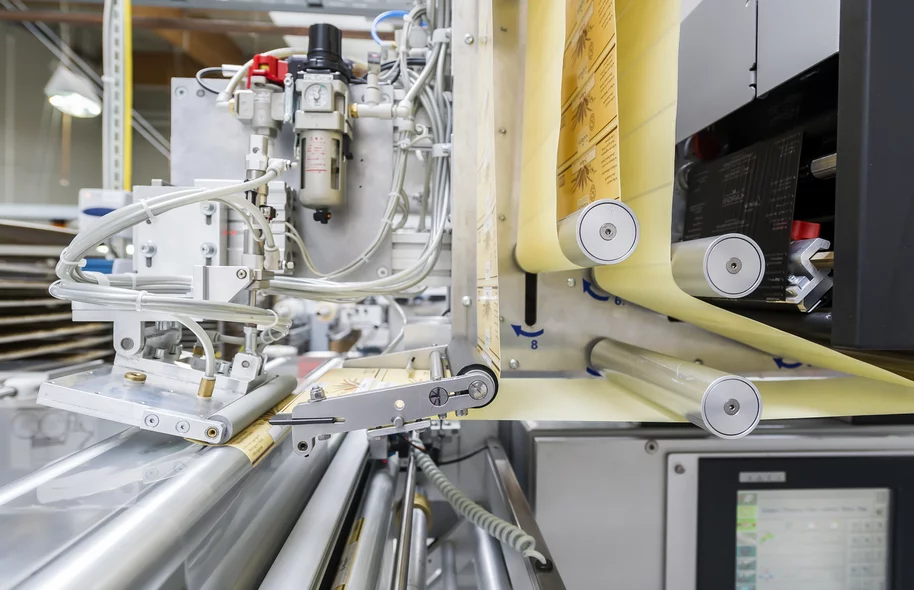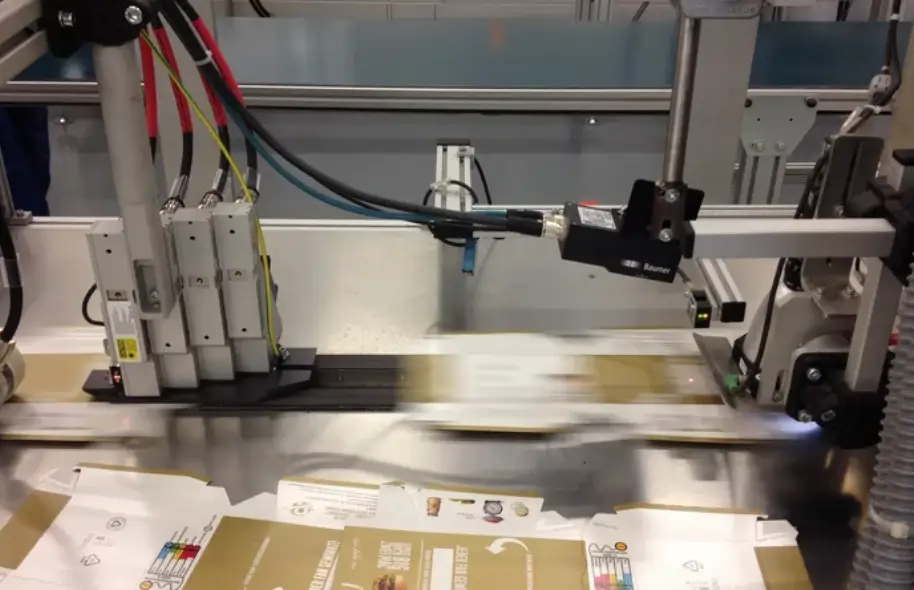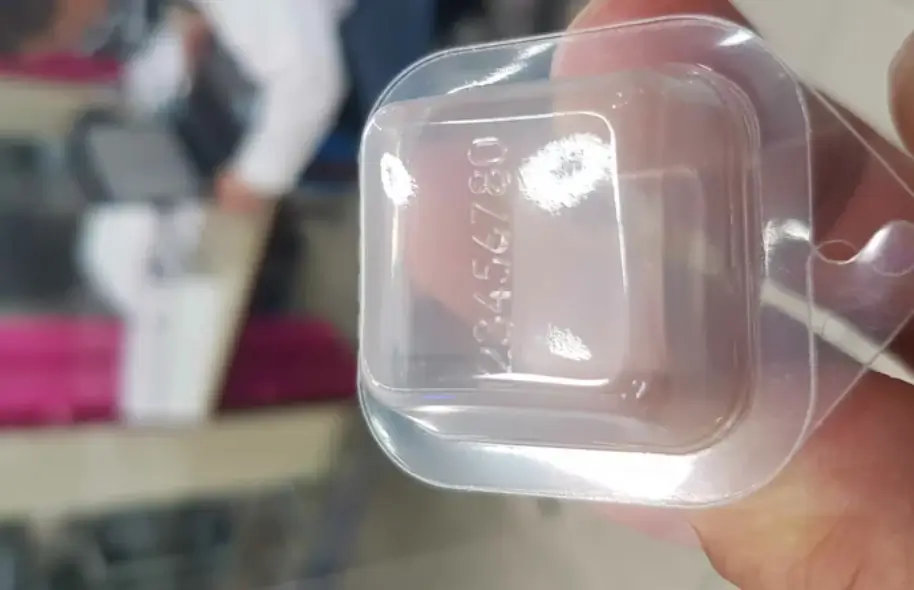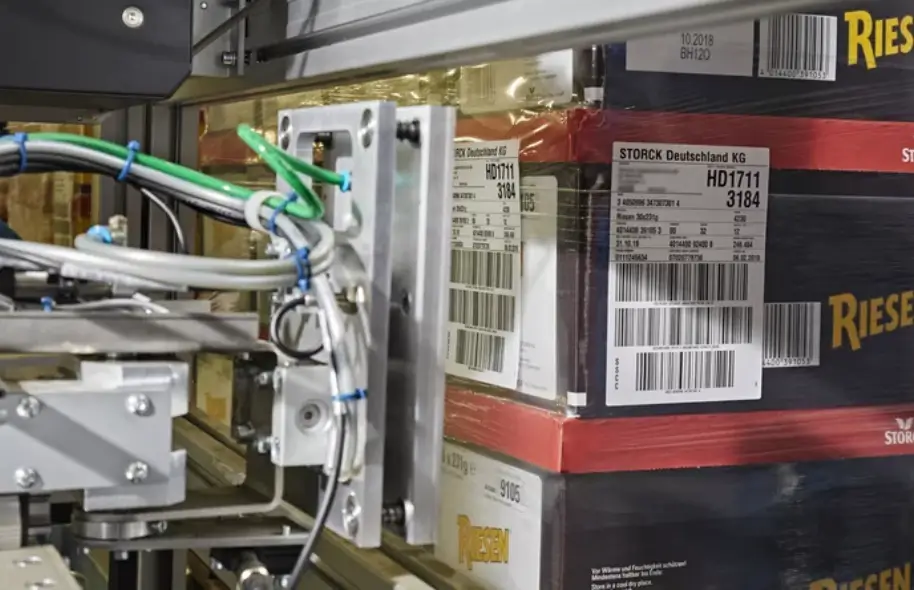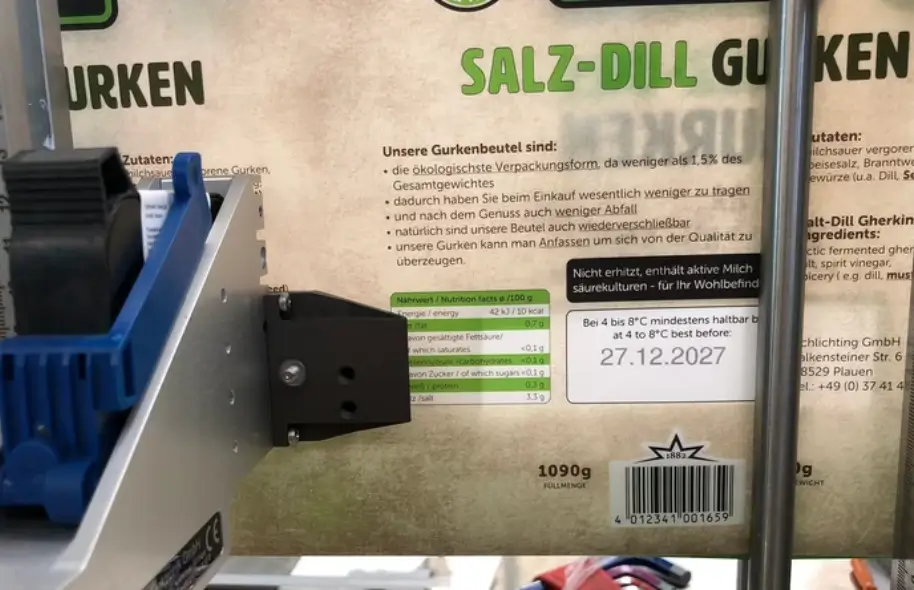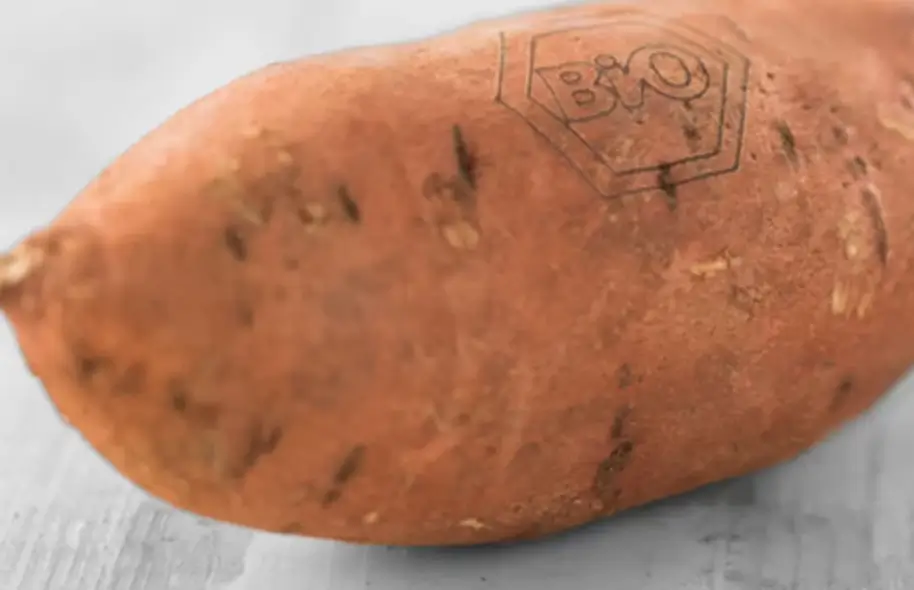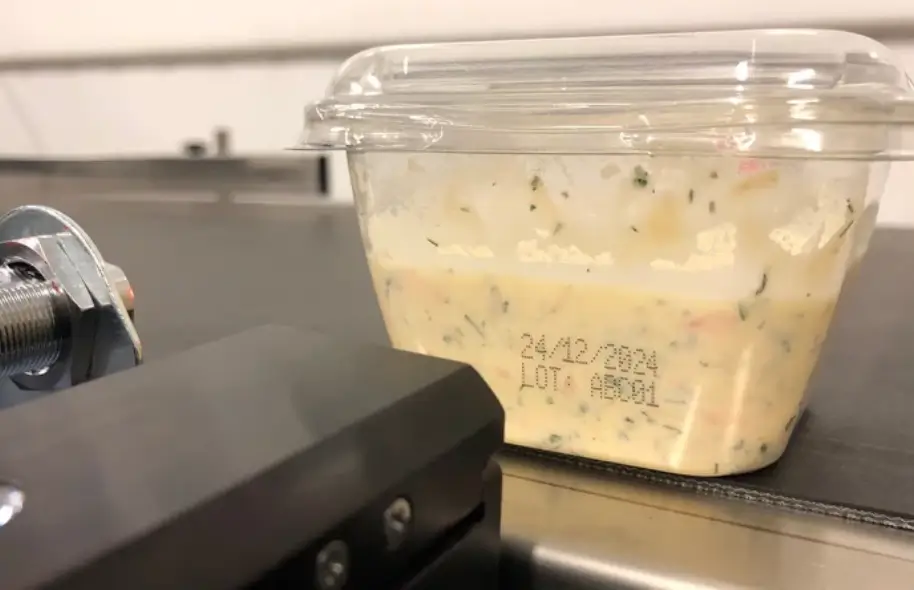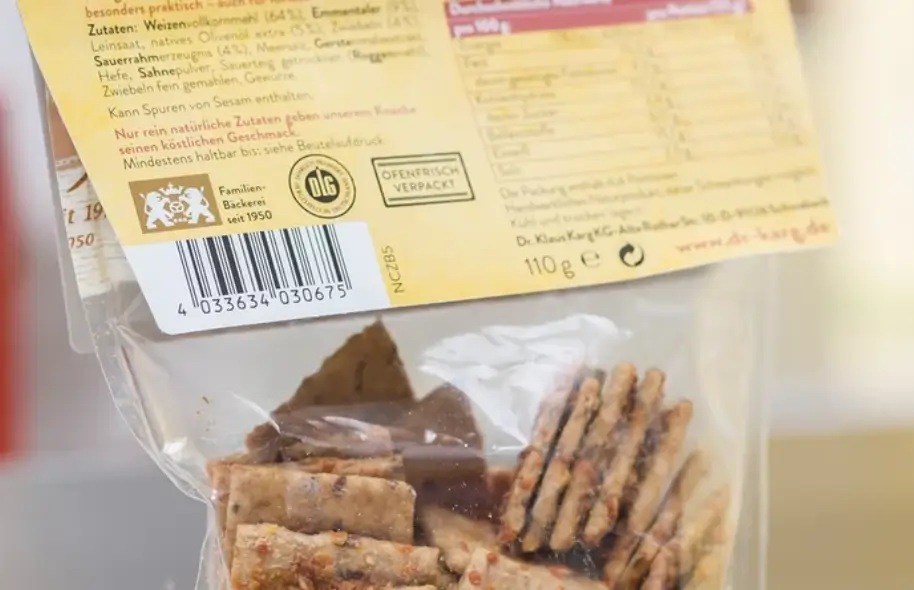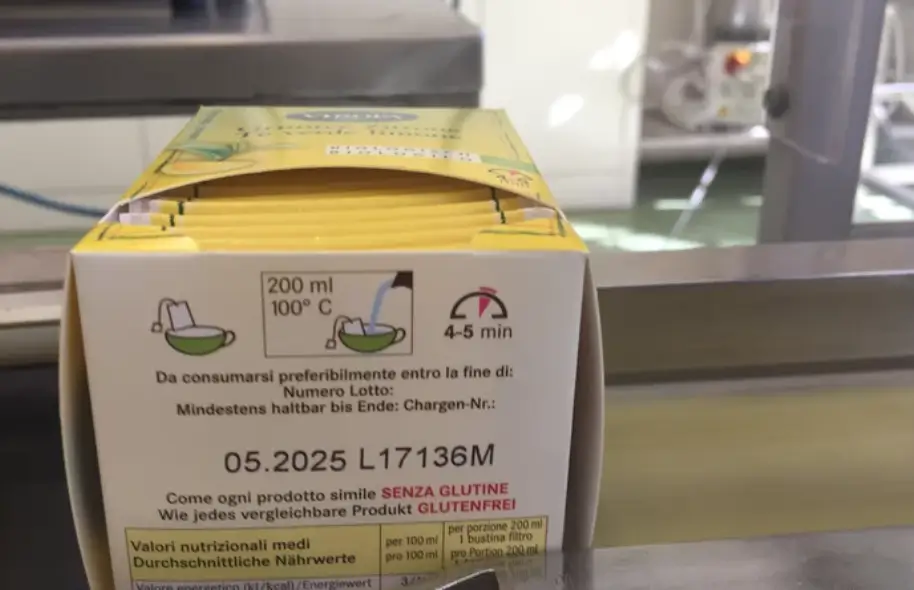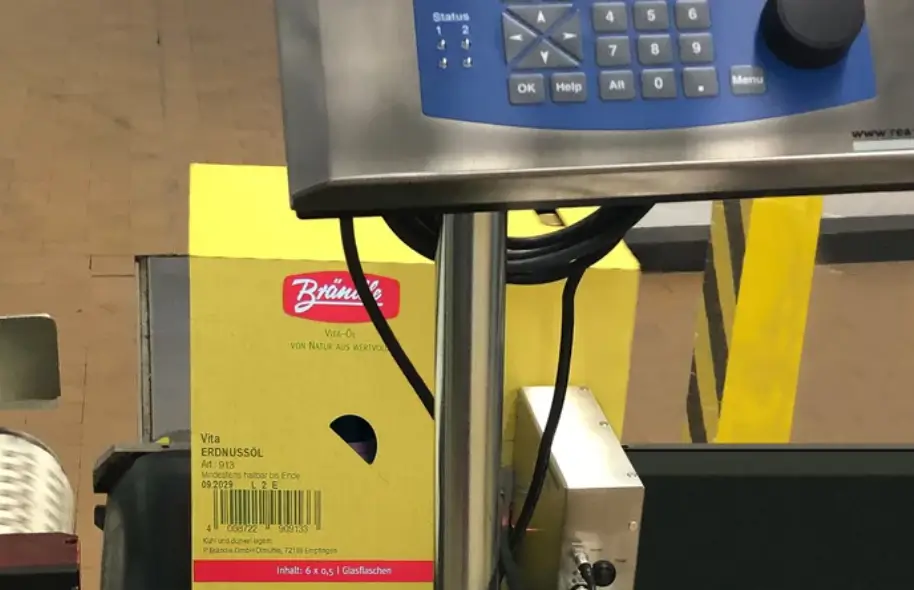

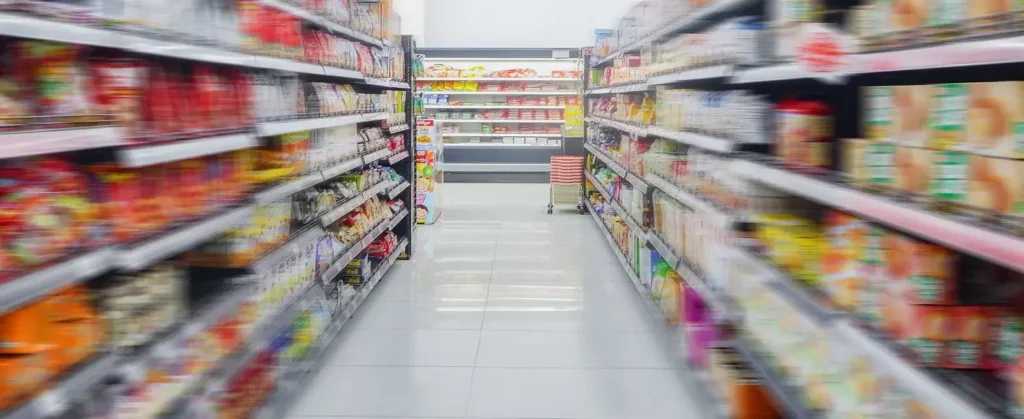


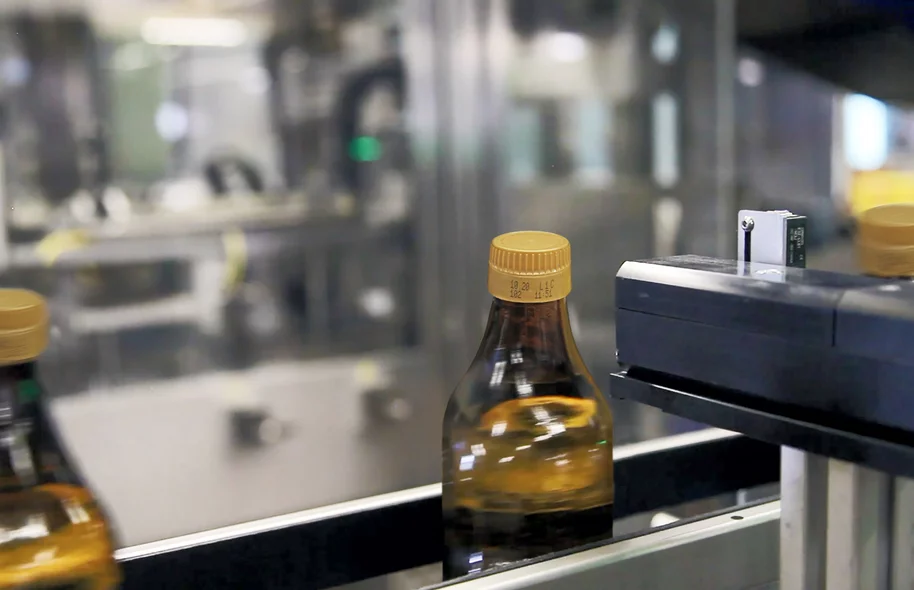
Whether in bags, cups, cartons, cans or jars: Packaged food has to be marked with certain information. The basis for this food labeling in the European Union is defined in the Food Information Regulation (FIR) (EU) No. 1169/2011. This specifies the information that has to be provided on food packaging, from the exact name of the food to ingredients, allergens, nutrients, best before date, country of origin or place of origin and manufacturer through to the net quantity. The text height is also precisely defined and it is stipulated that the mandatory information has to be clearly readable and permanent in a clearly visible place. Other regulations that the food industry has to comply with when it comes to marking are the Lot Marking Regulation (LKV) and EU Regulation 2021/2117 for wine and aromatized wine products.
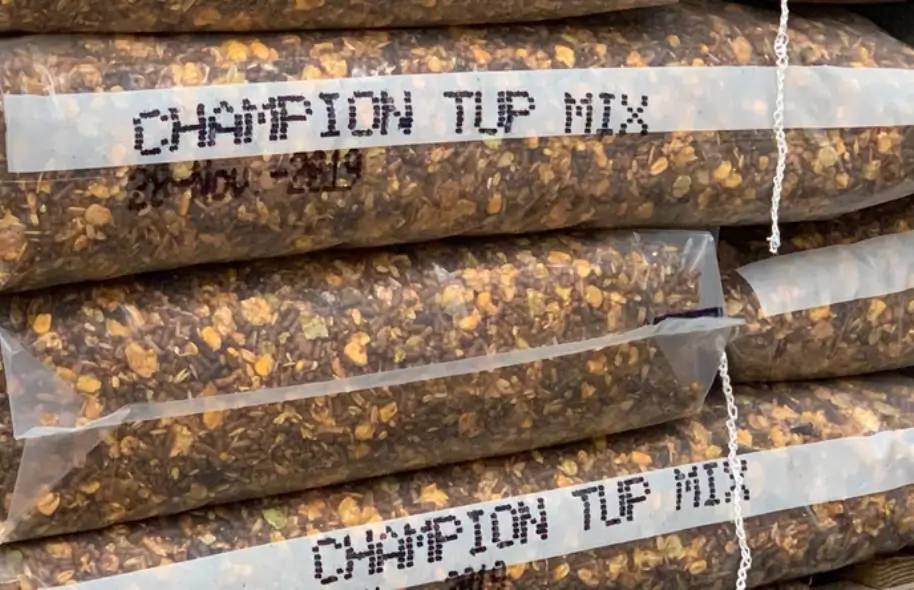
Food labeling is regulated in such detail in order to inform and protect consumers. With information such as batch designations, batch numbers, proof of origin and other product information, complete traceability can be ensured. It is important for health protection that all substances and materials used in the marking and labeling of food are food-safe. The requirements for this come from the Federal Institute for Risk Assessment (BfR), the EU (Regulation 1935/2004/EC) and, for the American market, the FDA (Food and Drug Administration). Incidentally, EU-wide marking regulations also apply to the animal feed industry. According to EU Regulation 767/2009, the origin of animal feed has to be traceable and animal owners have to be provided with similar product information as for food.
Challenges of marking in the food industry
- Compliance with food safety standards
- Marking at sometimes very high packaging and filling speeds
- Resistance to moisture, dust, heat and cold
- Direct marking of primary packaging made from versatile materials
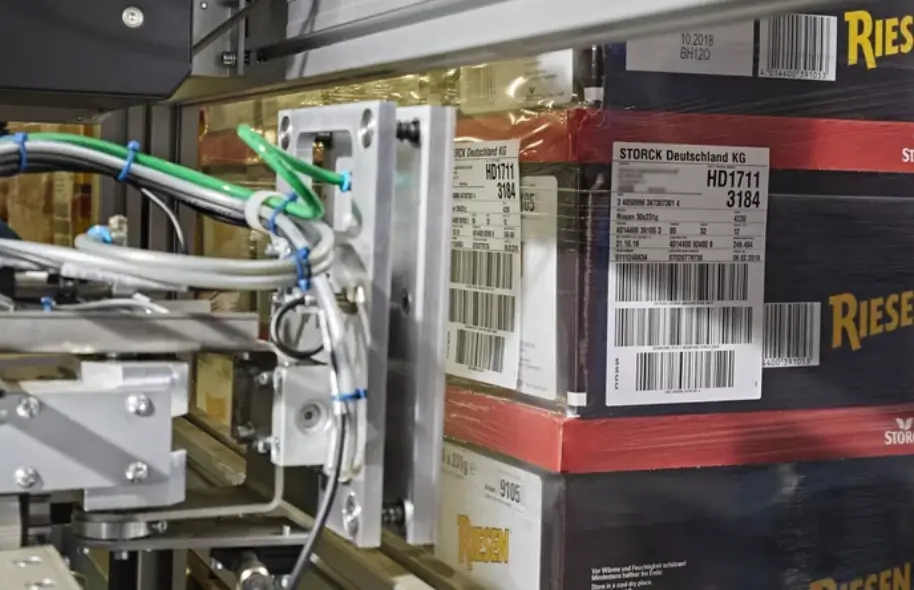
- Marking and labeling of outer cartons and pallets
- Easy integration into existing machines
- High degree of automation