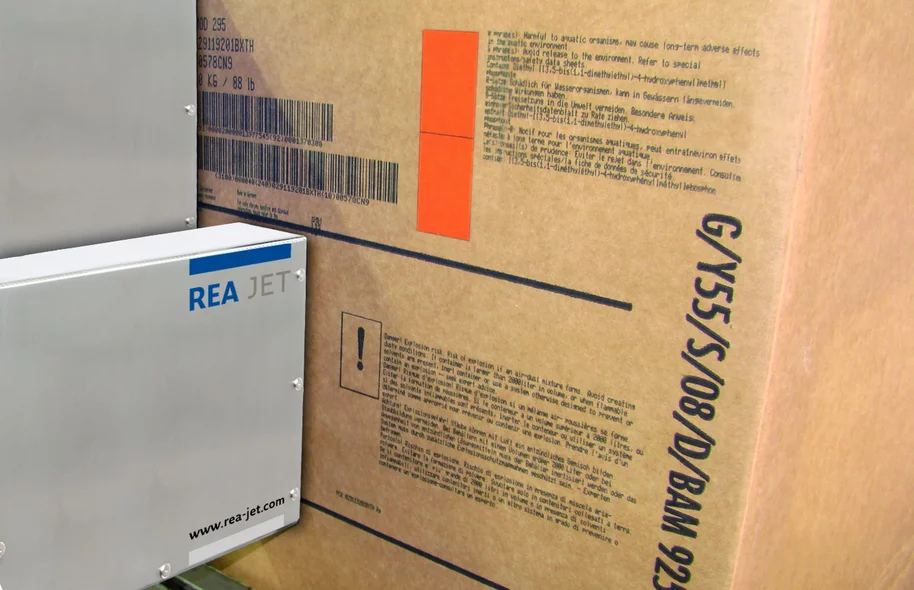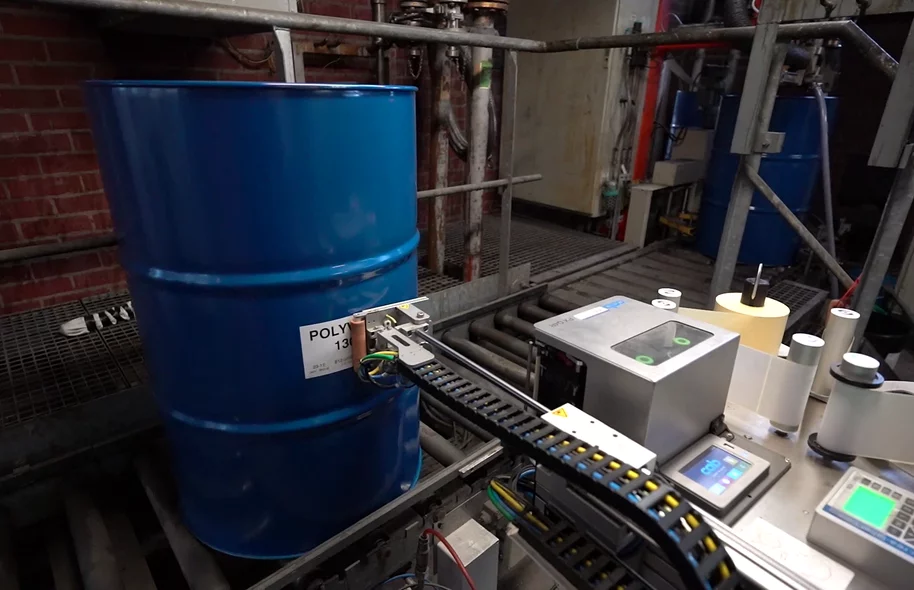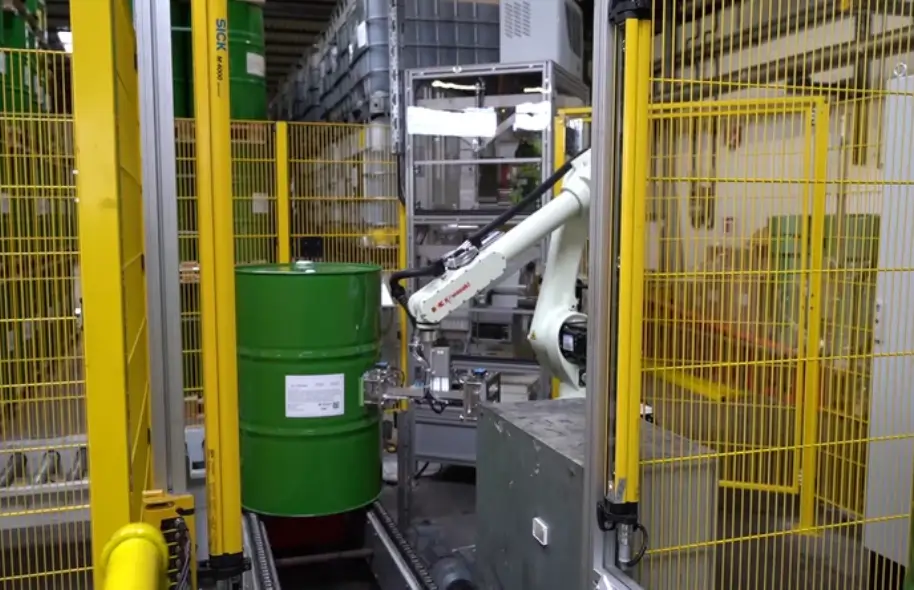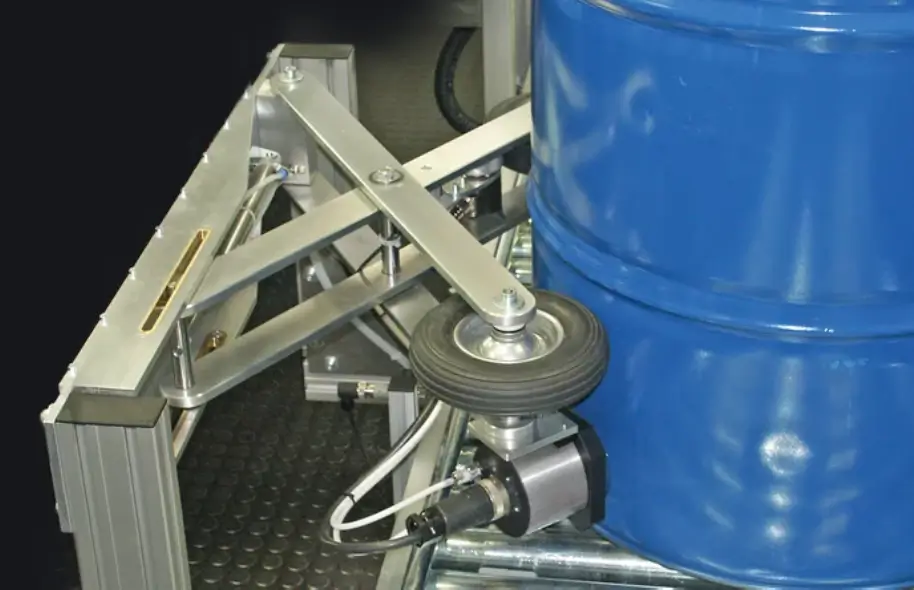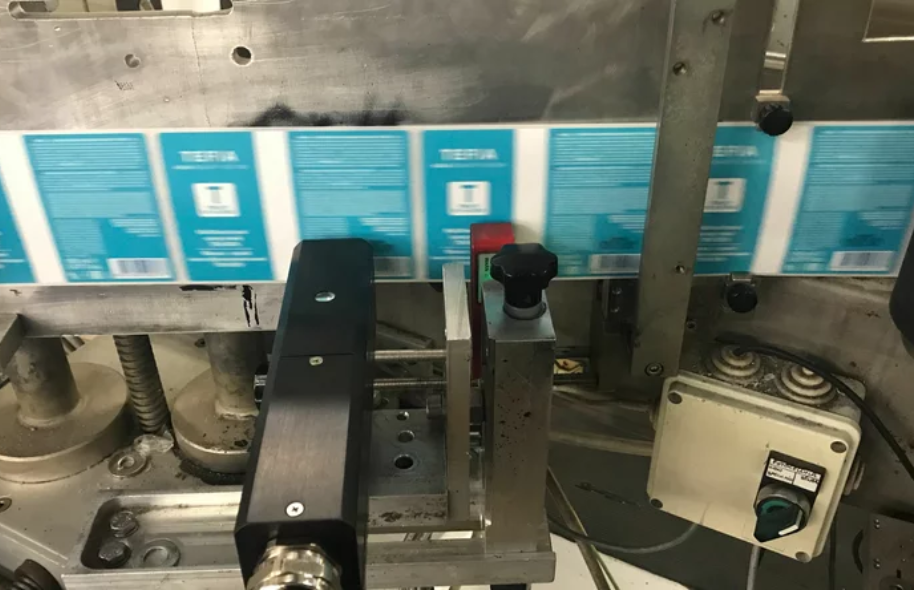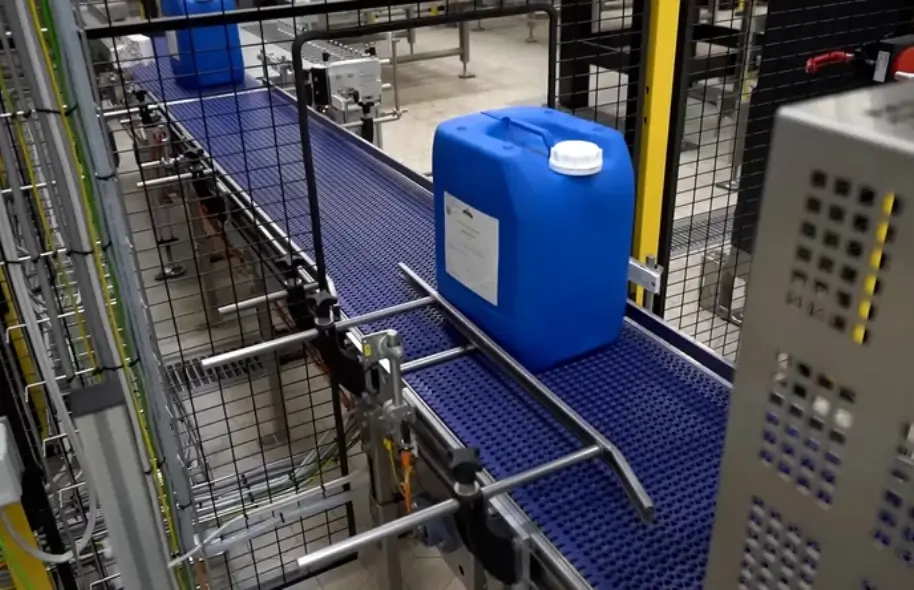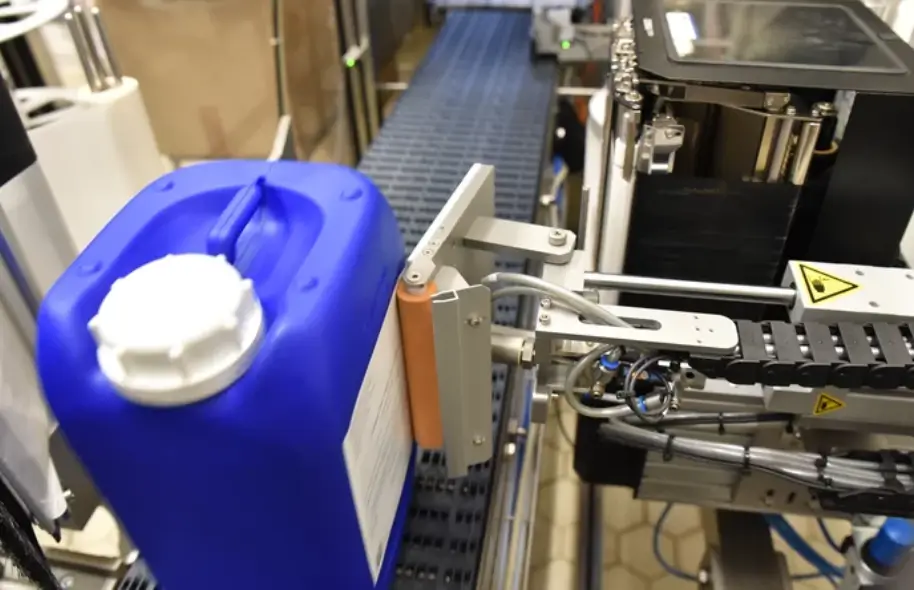




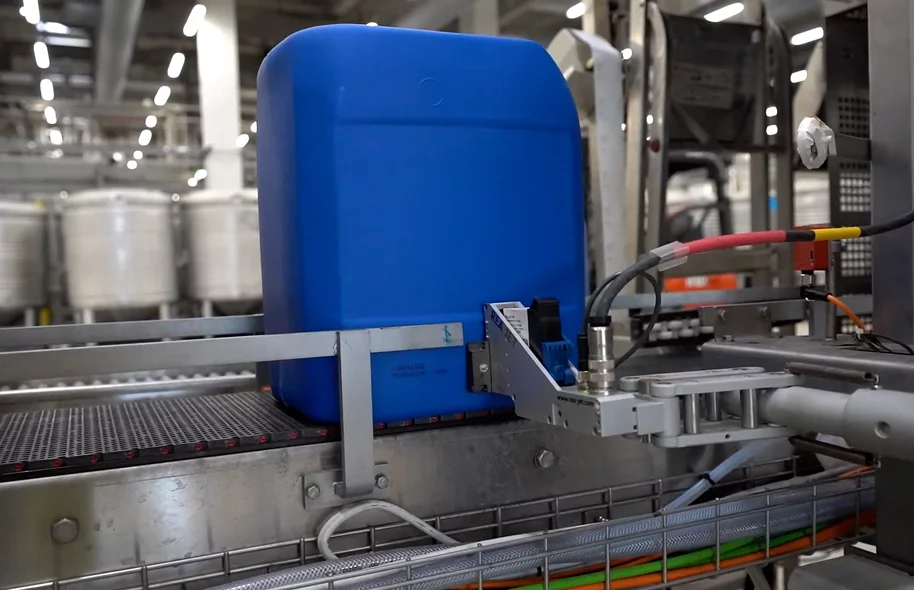
Chemical substances and mixtures can be dangerous for people and the environment. For this reason, particularly high standards apply to the uniform marking of chemical products worldwide. These help to improve safety and simplify international communication about hazardous substances. The standards are laid down in the GHS (Globally Harmonized System of Classification and Labeling of Chemicals), the CLP Regulation, British Standard 5609 Sections 2 and 3 and the UFI Code. Chemical products are rarely marked directly. In most cases, their secondary packaging such as cartons, bags, plastic bottles or metal drums are marked.
The GHS defines the content, form and size of the required hazardous substance labeling in detail and classifies chemical products uniformly worldwide according to physical hazards, health hazards and environmental hazards. Safety data sheets according to GHS, GHS markings or GHS labels have to contain the product identifier, one or more three-color hazard pictograms, certain signal words, hazard statements and supplier information. It is important that the information is clearly readable for humans and remains permanent even on difficult surfaces, such as oily drums or containers with uneven shapes. In addition, the markings and labels used in the chemical industry have to be resistant to many aggressive substances.
Challenges of marking in the chemical industry
- Compliance with international GHS/CLP regulations and other standards
- Marking under demanding environmental conditions
- Resistance to moisture, heat, cold and mechanical stress
- Fast application in automated chemical production lines
- Generation of hazard warnings, markings and pictograms that are clearly readable for humans