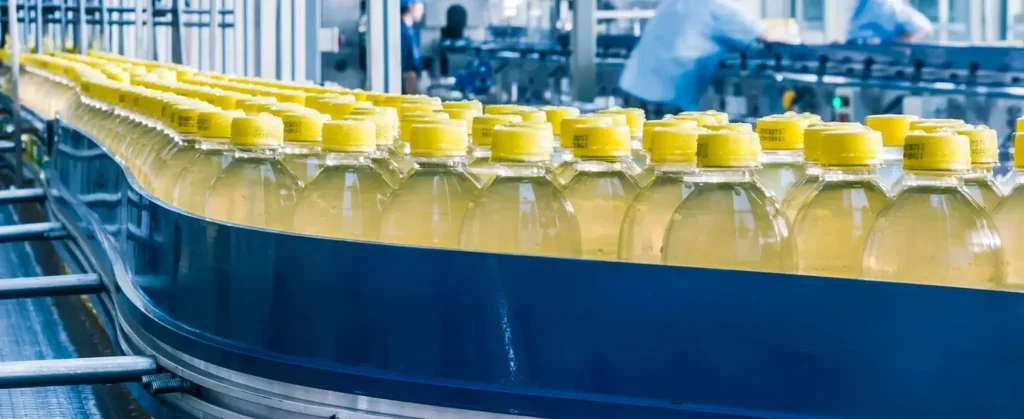
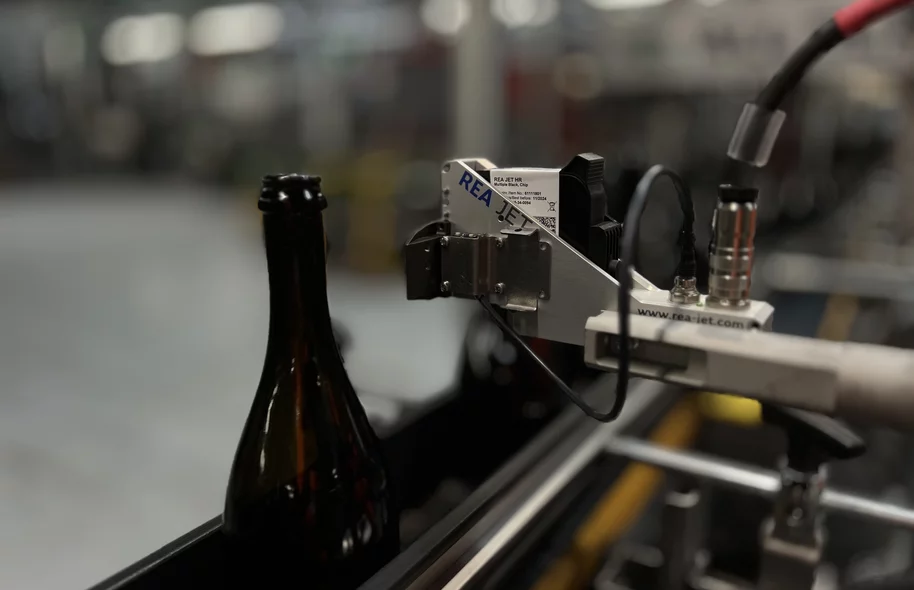
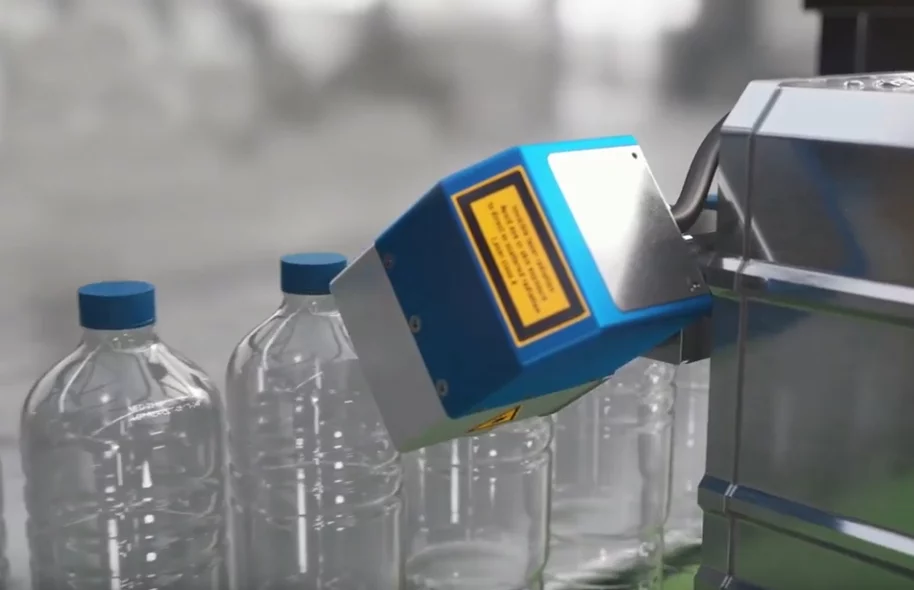
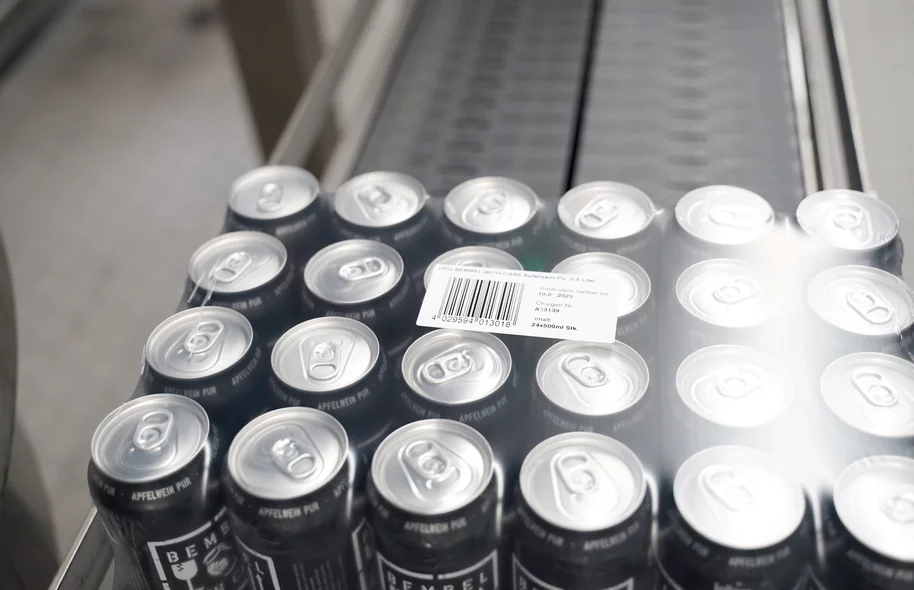
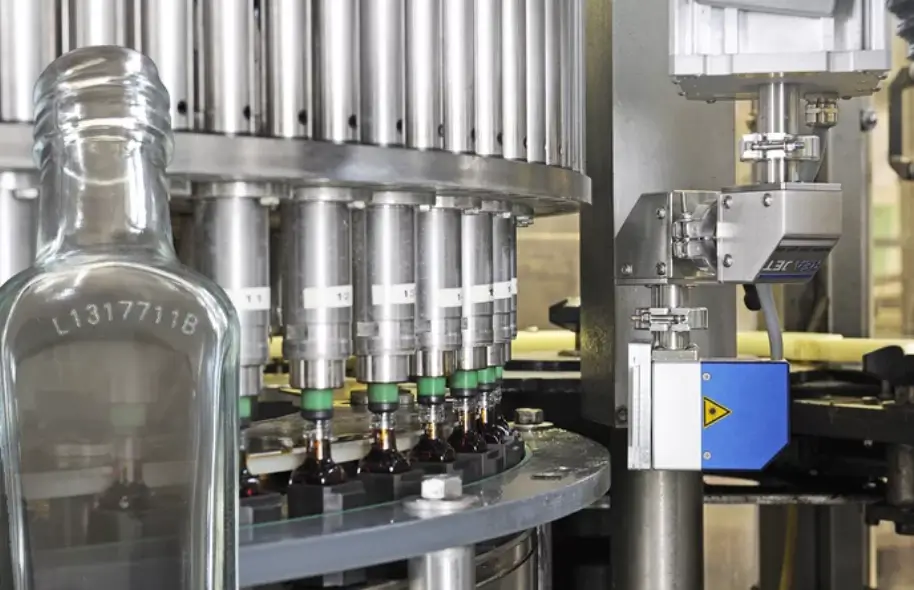
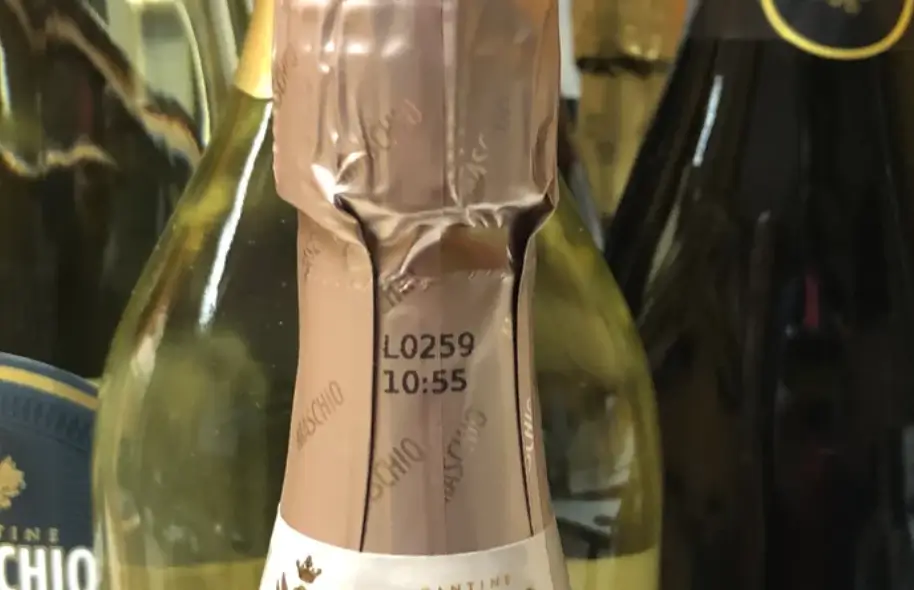
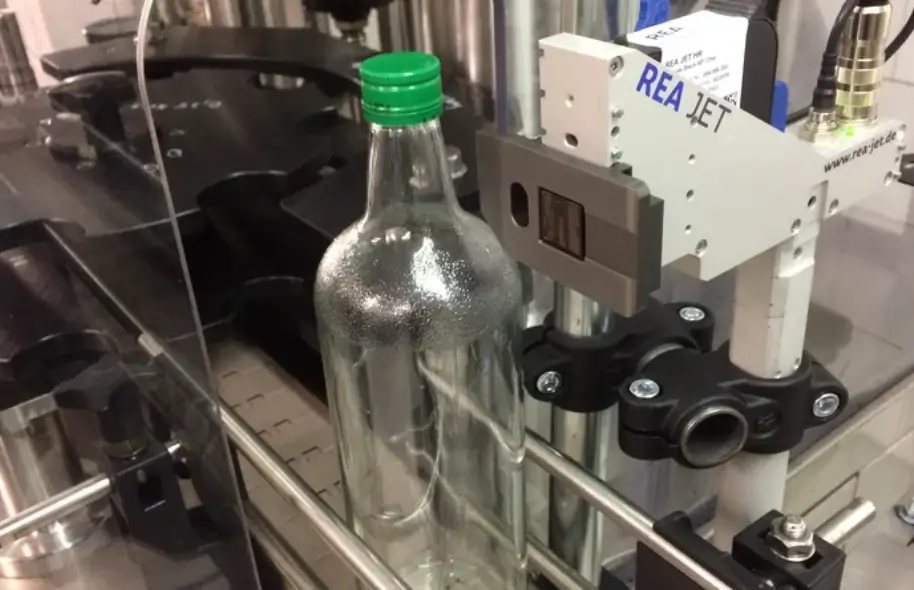
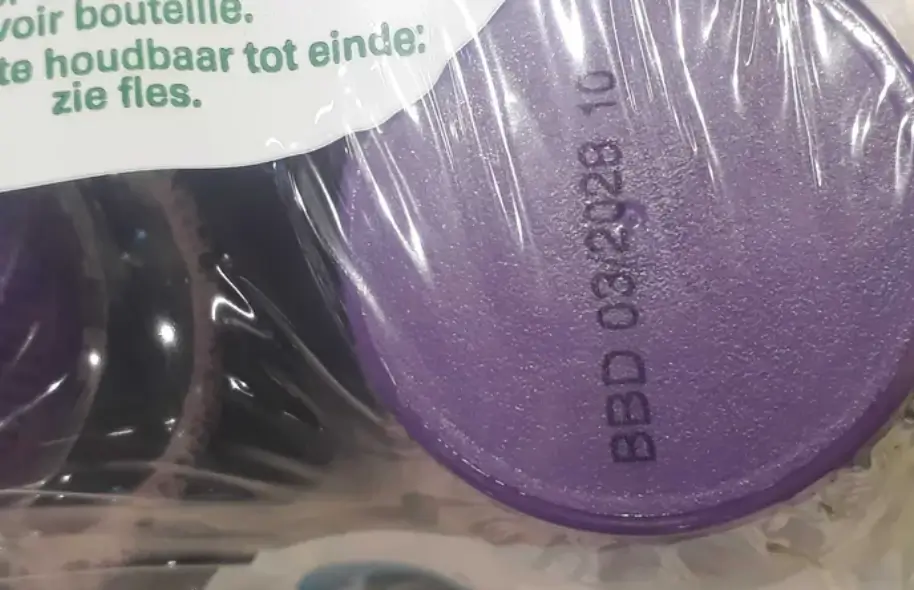
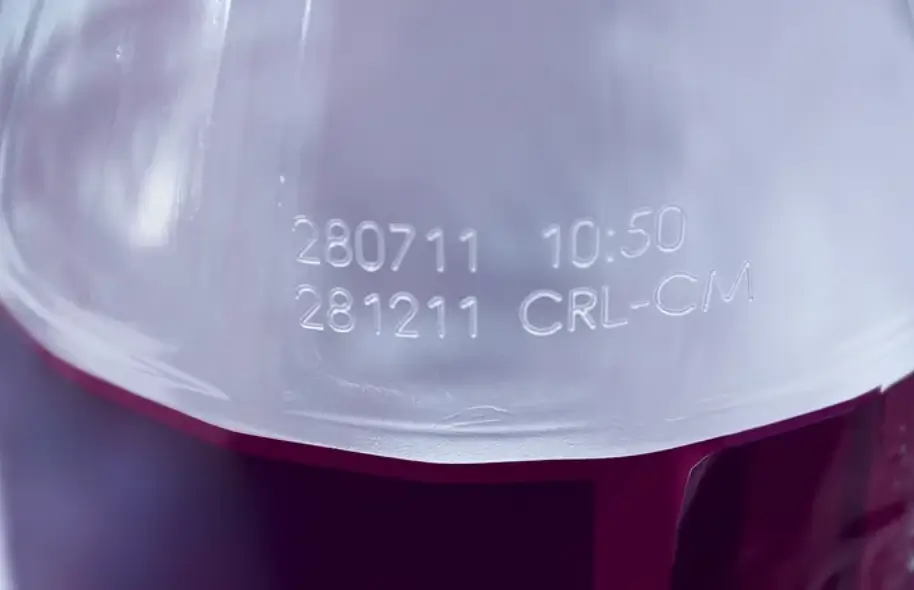
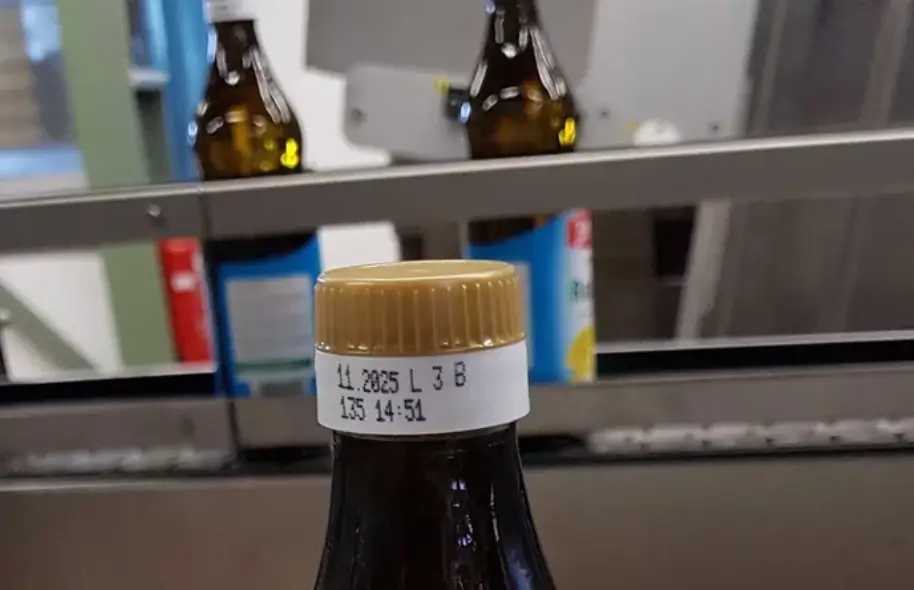
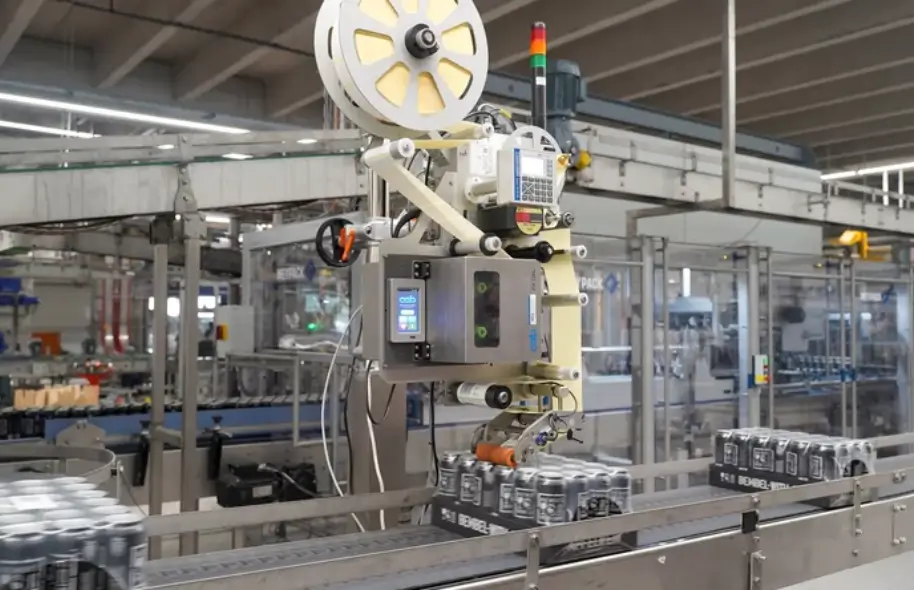
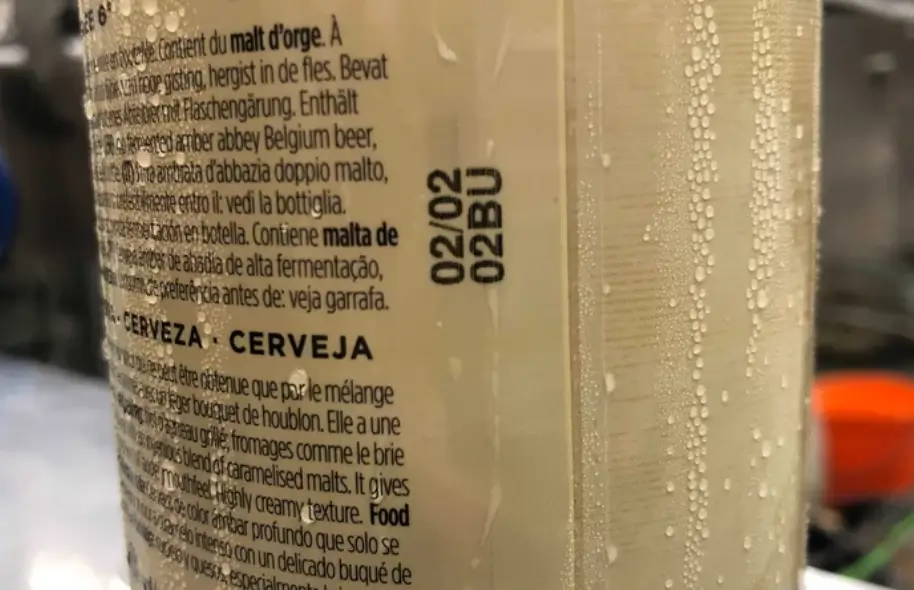
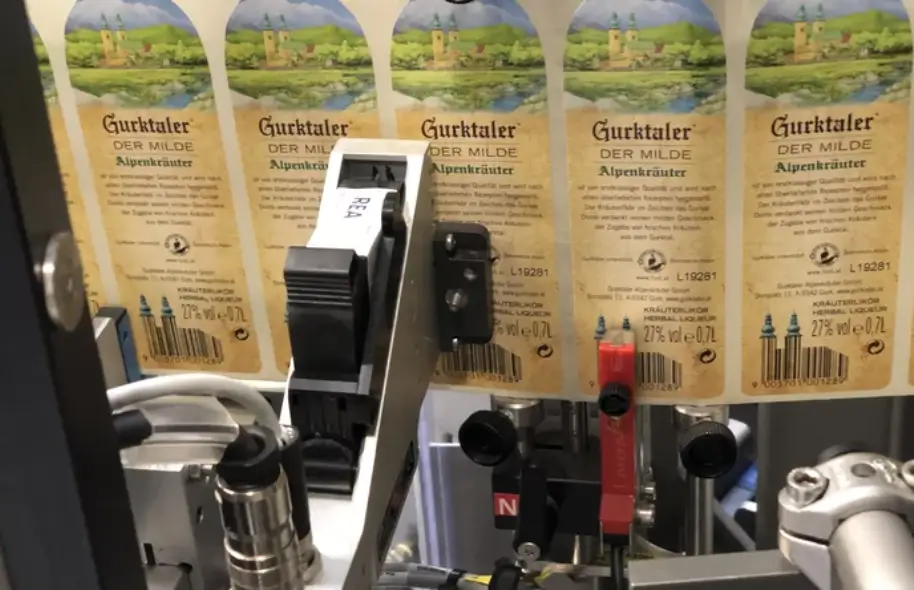
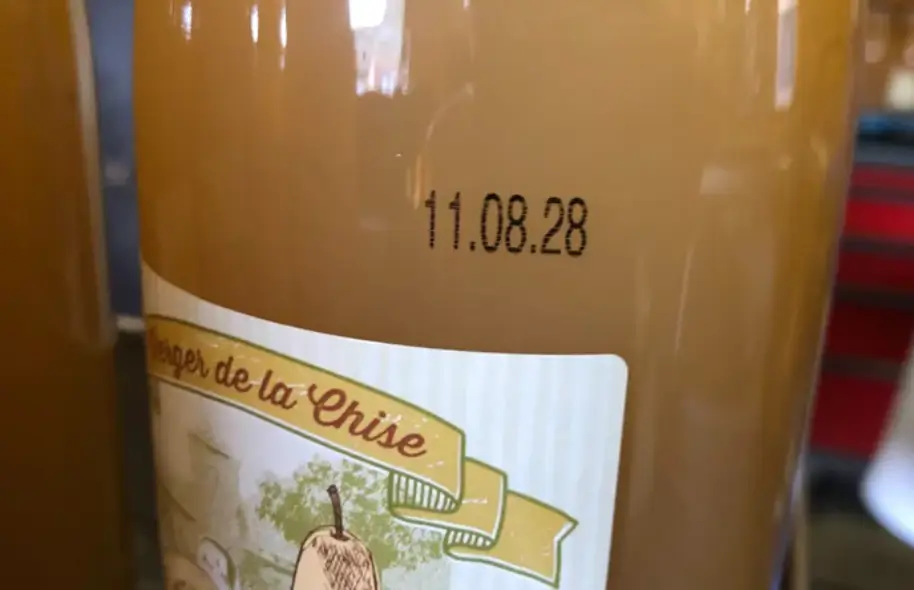
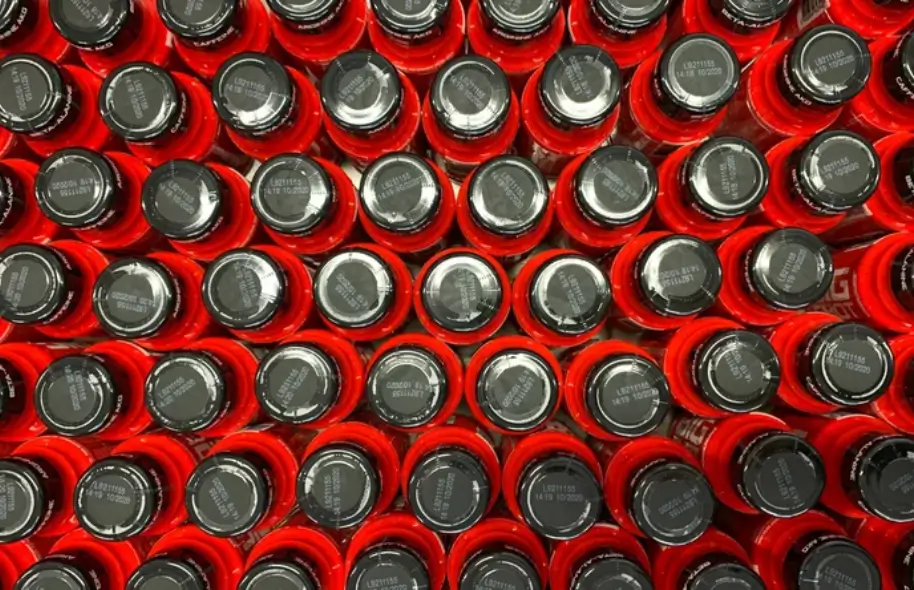
Soft drinks and juices, milk and mineral water, beer and wine: alcoholic and non-alcoholic beverages are filled in a wide variety of packaging and packaging sizes. The glass and PET bottles, cans and Tetra Paks are usually marked and labeled directly on the filling line. Coding and marking solutions for the beverage, beer and wine industries therefore also have to cope with the production conditions there: hot, cold and humid environments, condensation on glass bottles and the very high filling speeds of up to 100,000 bottles or cans per day.
Whether using direct marking or labels, the beverage industry is obliged to mark its products in a standard-compliant and traceable manner to ensure food safety. The requirements for this can be found in the Food Information Regulation (LMIV) (EU) No. 1169/2011, the Lot Marking Regulation (LKV) and the EU Regulation 2021/2117 on wine and aromatized wine products. The European Packaging Directive 94/62/EC and the German Packaging Act (VerpackG) also regulate the marking of disposable and reusable beverage packaging.
In addition to standard-compliant sizes and correct contents, the beverage industry also has to take frequent product changes into account when choosing coding and marking solutions, such as for smaller batches in wine bottling. It is also important to combine a consistent print image of the label with the company logo and the additional printing of variable data such as batch number and best before date.
The challenges of marking in the beverage industry
- Marking at sometimes very high filling speeds
- Resistance to moisture, heat and cold
- Direct marking of primary packaging made from versatile materials
- Marking and labeling of outer cartons and pallets
- Marking of disposable and reusable packaging
- Compliance with food safety and packaging standards