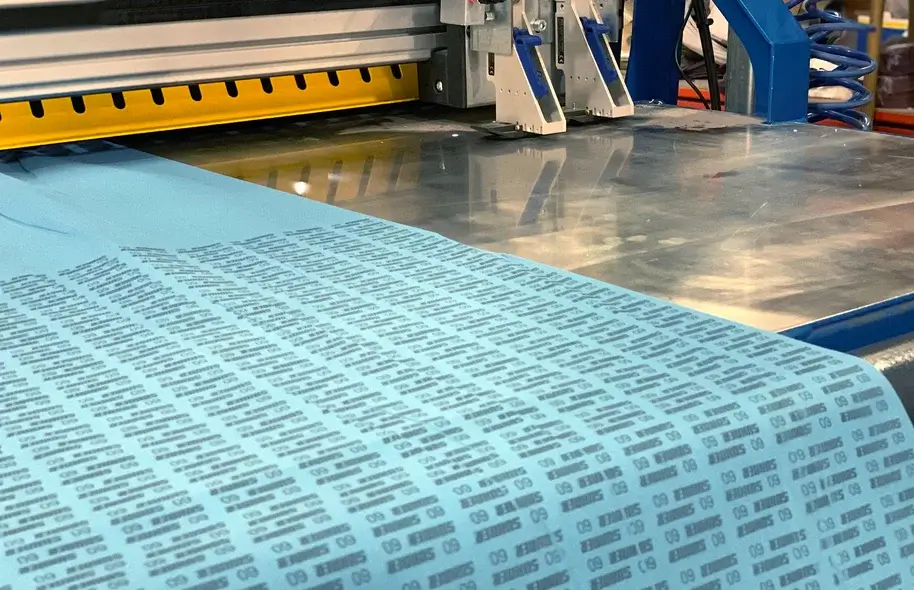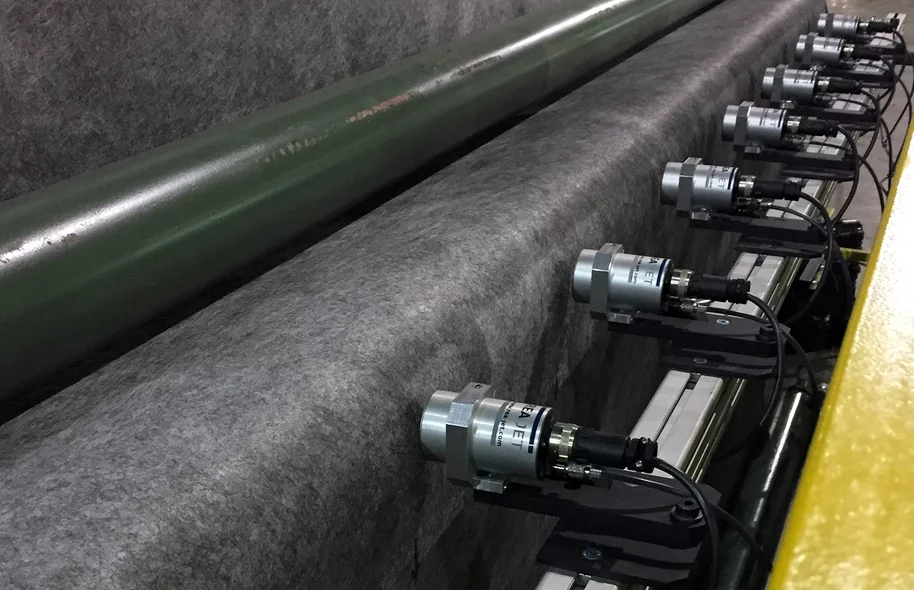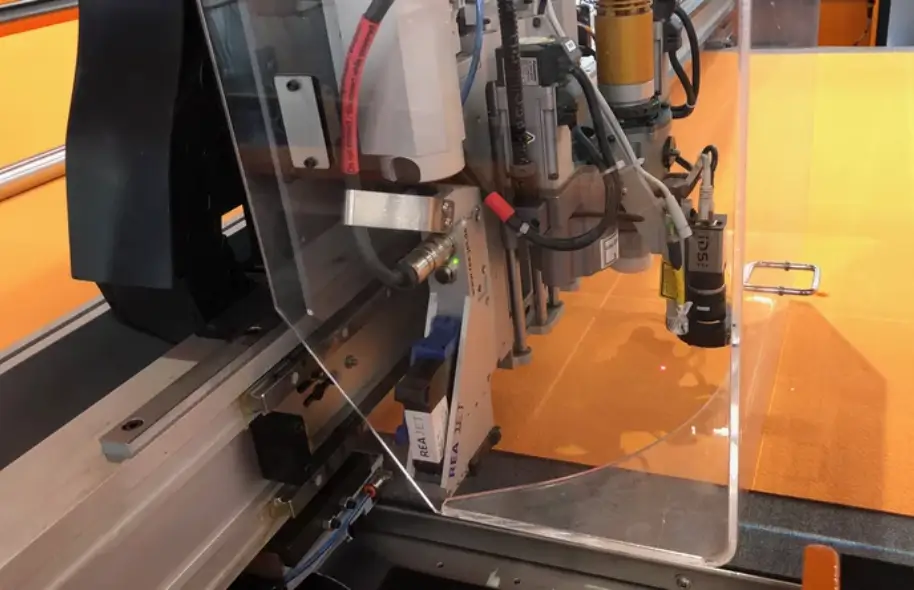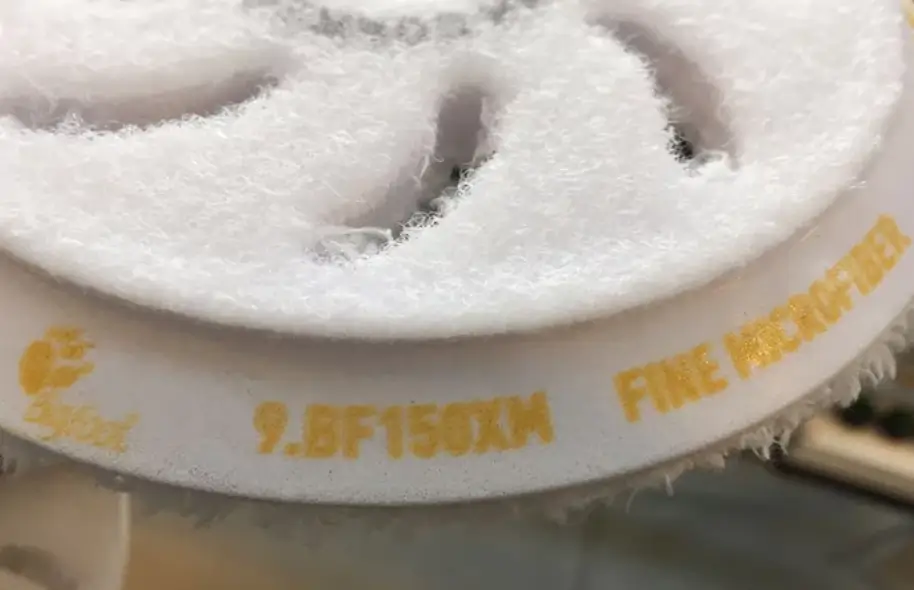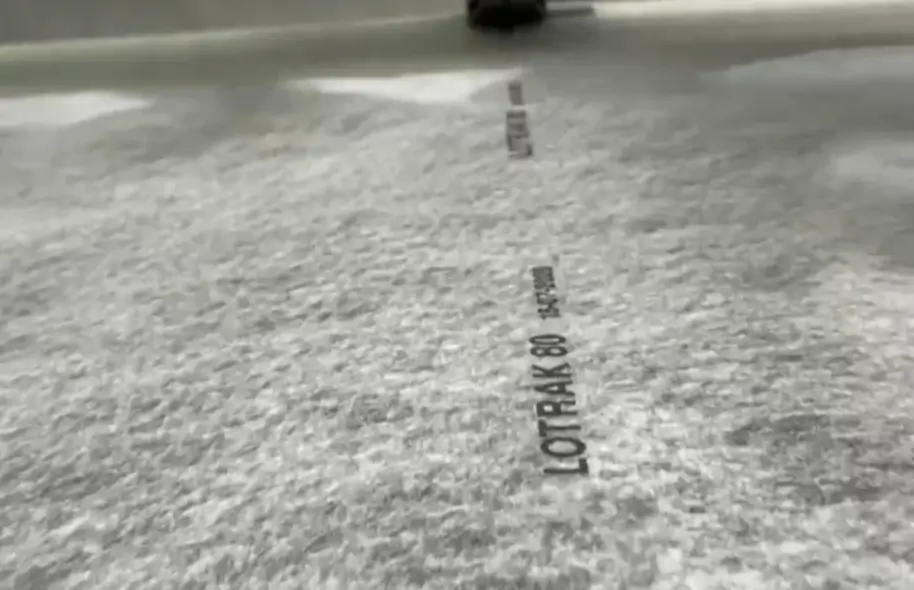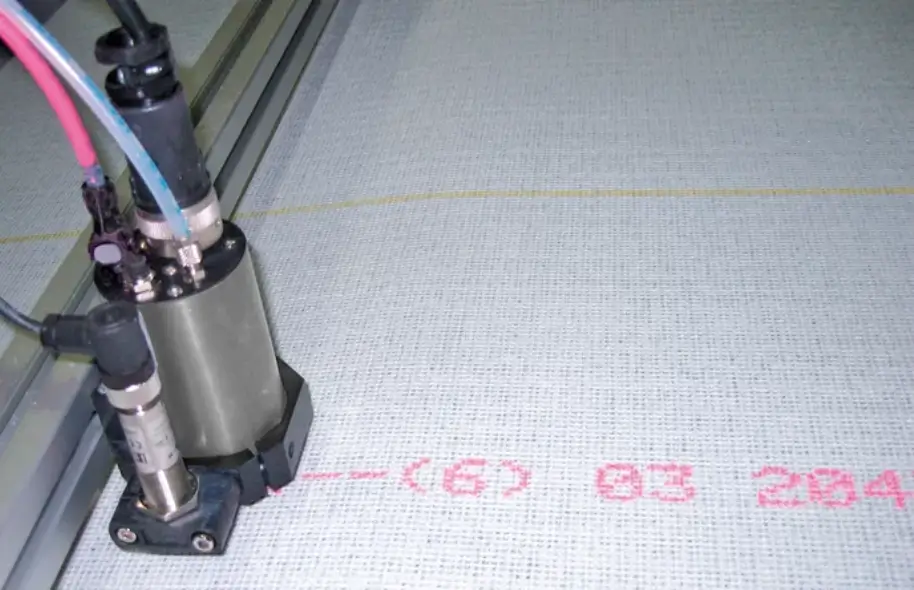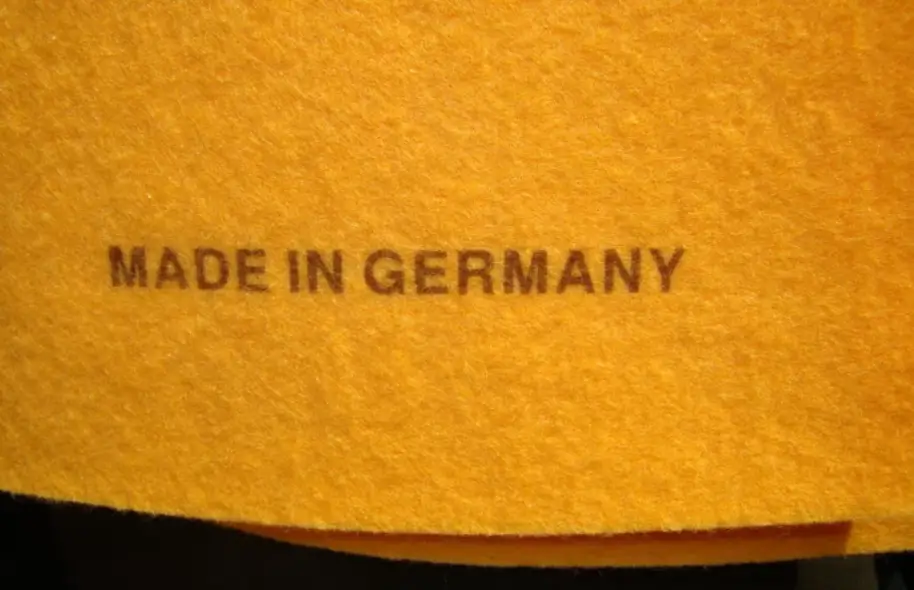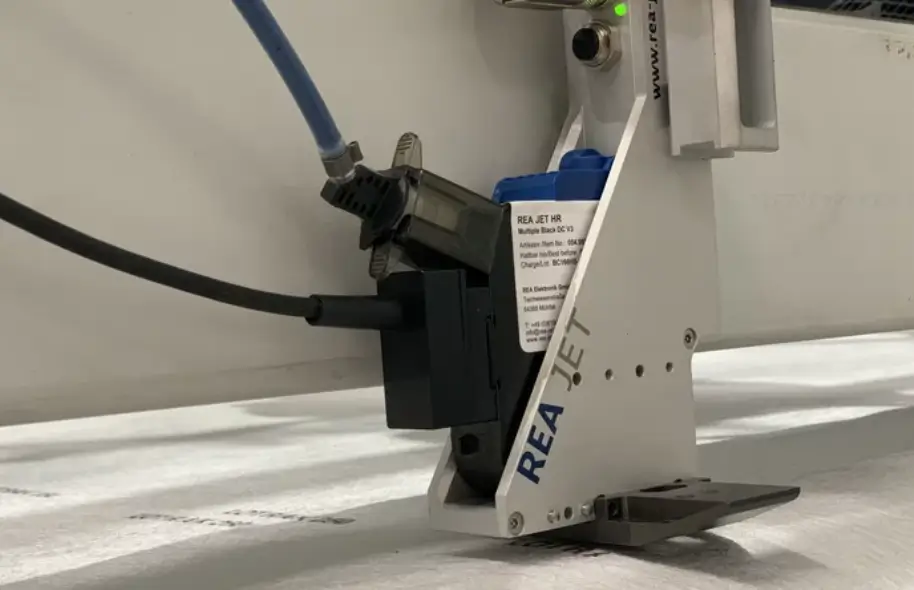

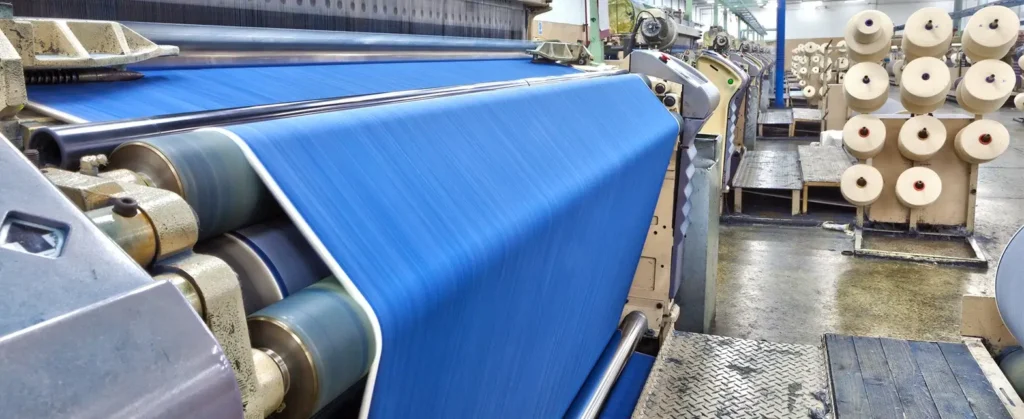


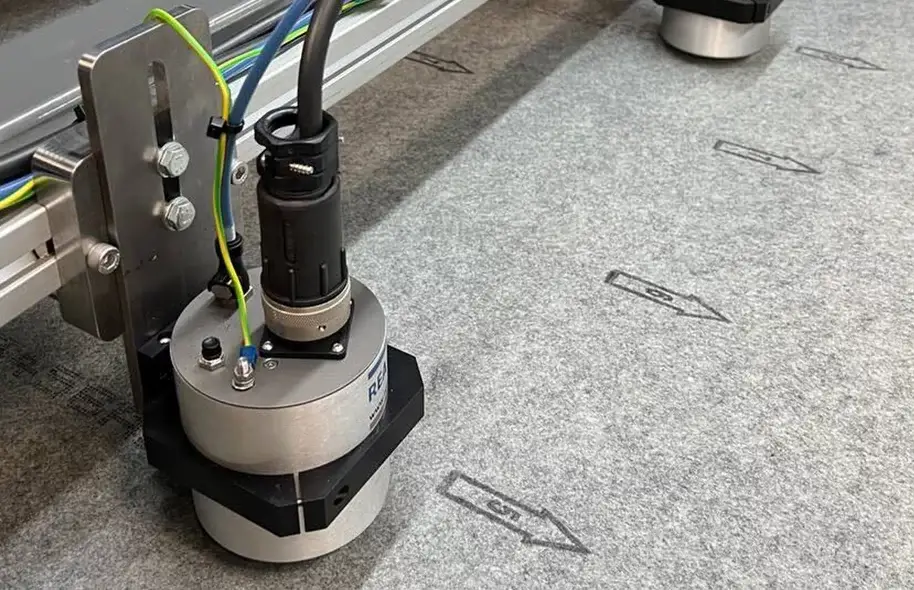
Particularly tear-resistant, flame-retardant, chemical-resistant, extra absorbent or waterproof: the textile and fabric processing industry uses finishing processes to produce textiles with very different properties. Depending on their intended use, these technical textiles also have to be marked differently. Examples include safety-relevant codes for the automotive industry, the aerospace industry or test marks that confirm suitability for the healthcare sector. As a rule, technical textiles, carpets and nonwovens are also marked with product numbers and serial numbers for traceability through the supply chain. Which coding and marking system is suitable for marking a fabric depends heavily on the respective material properties. Finding the right system for clearly readable, durable markings therefore requires a great deal of experience with markings for the textile, carpet and nonwovens industries.
Challenges of marking in the textile and fabric processing industry
- Very different material properties
- Generation of machine-readable codes on textile structures
- Compliance with regulatory requirements depending on the intended use
- Fast application in automated textile production lines
- Seamless integration into the existing production line